















Financial Planning/retirement | Financial Services Review

Financial Planning/Retirement

Campbell Financial Group, LLC: Engineering Retirement Certainty Amidst Market Volatility
Campbell Financial Group, LLC
Campbell Financial Group, LLC: Engineering Retirement Certainty Amidst Market Volatility
Russell Campbell, Founder/CEO
What risks emerge when growth-focused retirement strategies continue into later life stages?

For decades, retirement planning has been shaped by a single dominant assumption that growth should remain the priority regardless of age.

But for individuals entering retirement, when income is no longer earned and the margin for recovery disappears, this approach introduces a different kind of risk. Market volatility can directly affect income stability at a stage when financial certainty matters most.

Campbell Financial Group, LLC operates with a fundamentally different perspective. Working with pre-retirees and retirees beginning around age 45, it builds financial strategies focused on income continuity, asset preservation, and long-term security.

Unlike many advisory practices that rely on equity-based investment approaches, Campbell Financial Group, LLC centers its approach on insurance-based financial solutions. It intentionally moves away from broker-dealer models and market-driven strategies that can expose retirees to unnecessary volatility.

“When someone reaches retirement age, the conversation changes from growth to protection,” says Russell Campbell, founder and CEO. “At that stage, the goal is not chasing higher returns but making sure the income you depend on is stable and secure.”

Rethinking Risk in Retirement

How does Campbell Financial Group restructure retirement planning around income stability and protection?

Campbell Financial Group, LLC reengineers retirement planning around certainty rather than speculation.

Market volatility affects retirees differently from younger investors. Earlier in their careers, individuals can have decades to recover from market downturns. In retirement, savings must support ongoing needs. A market crash can permanently influence both portfolio value and lifestyle decisions.

Campbell Financial Group, LLC’s models, built independently of equity-based investing help address this challenge. Fixed indexed annuities are a key component within this framework, enabling investors to benefit from market-linked gains through index association while ensuring that principal remains protected from direct losses.

Within this structure, insurance is not positioned as a product allocation but as part of the income architecture designed to make retirement assets last.

When markets perform well, indexed annuities may credit gains according to the terms of the contract. When markets decline, the protected value of the account remains intact.

Some annuity products also include features designed to strengthen retirement income. Certain contracts provide a bonus when funds are deposited into the account. For example, a fixed indexed annuity may offer a 10 percent bonus at the time of purchase. A client investing $100,000 could begin with a contract value of $110,000. If the investor were to pass away after establishing the contract, beneficiaries would receive the full value of the account.

The objective is never to sell a product. It is to solve a financial need.


Income guarantees are another important feature. Depending on the selected terms, annuity contracts can provide consistent payments for a defined period or for the remainder of the lifetime. These predictable payments allow retirees to manage living expenses without relying entirely on market performance.

Life insurance is also incorporated into retirement strategies as a tool for transferring generational wealth and creating additional flexibility. In certain cases, it can be used alongside retirement accounts such as IRAs to improve overall outcomes for beneficiaries.

For example, an individual with $1,000,000 in an IRA may choose to allocate a portion of those funds, such as $250,000, toward purchasing a life insurance policy with a $1,000,000 benefit. This approach allows the individual to preserve a similar $1,000,000 legacy for heirs while freeing up the remaining $750,000 for other uses during retirement.

“When someone reaches retirement age, the conversation changes from growth to protection. At that stage, the goal is not chasing higher returns but making sure the income you depend on is stable and secure.”

Depending on the structure of the IRA, this strategy may also offer tax advantages for beneficiaries, particularly when compared to leaving taxable retirement assets alone. When applied appropriately, life insurance adds flexibility, supporting both retirement income decisions and long-term wealth transfer goals.
Confluence Technologies: Turning Data into Investment Power
Confluence Technologies
Confluence Technologies: Turning Data into Investment Power
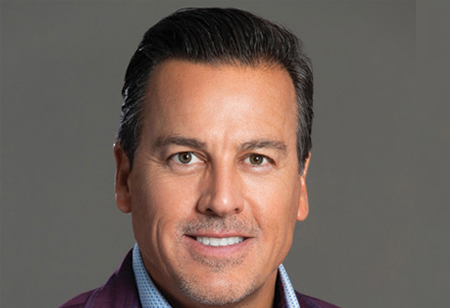
Spiros Giannaros, CEO
Confluence Technologies addresses a persistent operational challenge in investment management: converting fragmented, multi-source data into reconciled, decision-ready insight that can be used consistently across performance analytics, reporting and compliance. Its platform standardizes how investment data is calculated, validated and delivered, reducing disconnects that typically exist between front-office analysis and back-office reporting.

A single validated data layer sits at the center of the execution model. Consolidating inputs from custodians, administrators and internal systems requires continuous oversight. Confluence structures these environments to support recurring validation and reconciliation. One dataset subsequently serves performance reporting, regulatory filings and investor disclosures. Such architecture removes the need for repeated manual adjustments across teams and eliminates inconsistencies between internal analysis and externally reported figures.
Greater alignment across investment and reporting functions changes daily operations. Portfolio managers and analysts work with standardized inputs instead of manually reconstructed datasets. Compliance and reporting teams rely on the identical validated figures for regulatory obligations. Reducing reconciliation breaks shortens reporting timelines and strengthens audit readiness. Consequently, teams spend fewer hours on data correction and devote more resources to core analysis and strategic allocation.

Automated workflows integrate performance measurement directly within the platform. The system calculates returns, supports attribution analysis and distributes outputs across all necessary functions. Removing manual recalculation steps improves processing efficiency and maintains strict consistency in performance evaluation. Such integration drives more reliable decision-making, particularly in volatile trading environments where speed and data accuracy remain closely linked to ultimate financial outcomes.

The same structured framework manages investor communication. Standardized templates generate regulatory filings, financial reports and disclosures directly from the validated datasets. Internal reporting and external communication remain perfectly aligned. Scaling operations across jurisdictions and client segments with varying reporting requirements becomes much easier. Firms reduce the operational strain of producing high volumes of complex reports while ensuring strict adherence to evolving compliance standards.
Ameriprise Financial, Inc.: The Integrated Advisory Model Reshaping Financial Planning
Ameriprise Financial, Inc.[NYSE: AMP]
Ameriprise Financial, Inc.: The Integrated Advisory Model Reshaping Financial Planning
., .
Financial planning has shifted from episodic advice to continuous, system-driven orchestration, where execution discipline and data integration determine client outcomes more than standalone recommendations. Firms operating at scale are expected to deliver synchronized advisory, portfolio construction and risk management within a unified framework. As a result, it has placed pressure on advisors to move beyond fragmented tools and toward cohesive platforms that align strategy with evolving financial conditions.

Ameriprise Financial operates within this environment by structuring its advisory model around integrated planning and investment management, combining human expertise with embedded analytical systems. The firm’s approach reflects a broader industry transition toward personalization at scale, in which client portfolios are constructed with precision and continuously recalibrated to reflect shifting goals, market conditions and life events.

Enabling Consistency across Advisory and Execution

Ameriprise Financial’s advisory model combines financial planning, investment management and protection strategies within a single client experience. Advisors operate using a structured planning process that incorporates goal definition, risk assessment and portfolio design, supported by proprietary tools and research capabilities.

At the core of this advisory model is the integration of advisory services with investment solutions. Advisors leverage centralized research, asset allocation models and managed account platforms to construct portfolios aligned with client objectives. By aligning these elements, the firm ensures consistent execution while maintaining the flexibility to tailor strategies to individual financial circumstances.
Zoe Financial: Wealth Management for the Mass Affluent
Zoe Financial
Zoe Financial: Wealth Management for the Mass Affluent
Andres Garcia-Amaya, CFA, CEO and Founder
How does advisor-focused infrastructure improve wealth management for mass affluent investors

Zoe Financial operates as an advisor infrastructure designed to remove operational friction while keeping the advisor at the center of the client relationship. Advisors retain ownership of planning, judgment, and long-term guidance while Zoe’s platform handles the portfolio implementation, enabling customized portfolios built on direct ownership of individual securities and disciplined tax management.

The Zoe Wealth Platform supports advisors serving mass-affluent clients, from younger professionals with investable assets of USD 150,000+ to individuals and families approaching retirement with portfolios in the USD 1 million to USD 4 million range. Traditionally, these investors use standardized investment structures such as low-cost ETF portfolios with periodic rebalancing. With Zoe, they can get a different experience.

“We aim to offer clients the level of capability and sophistication that is usually only offered to high-net-worth investors,” says Andres Garcia-Amaya, CFA, CEO and founder of Zoe Financial.

How can direct indexing and tax strategies benefit mass affluent investment portfolios

Investment platforms have lowered costs and simplified access to markets, but advanced portfolio construction techniques and tax strategies have often been reserved for high-net-worth investors. Zoe Financial enables advisors to bring those same capabilities to mass-affluent clients through the Zoe Wealth Platform. Advisors can implement direct indexing, automated rebalancing, and tax-loss harvesting while maintaining full responsibility for the client relationship and financial plan. Trading, rebalancing, and transitioning legacy holdings are handled within the platform, allowing advisors to focus on comprehensive planning aligned to a client’s broader financial goals.
Serving Those Who Serve: The Financial Lifeline for America’s Federal Workforce
Serving Those Who Serve
Serving Those Who Serve: The Financial Lifeline for America’s Federal Workforce
Thomas Lee, Founder, Daniel Sipe, Founder
Every federal career carries two parallel stories. One plays out in public, comprising years of mission-driven service that keeps the nation running. The second story unfolds quietly, with even seasoned federal professionals struggling to navigate a highly complex benefits system. Recent layoffs and early retirement pressures are adding to the difficult situation.

Serving Those Who Serve (STWS) steps into the second story as a support system and guide for federal personnel as they make critical financial decisions.

Its advisory services cover the full spectrum of financial and retirement planning to meet the distinct nature of the federal compensation and benefits structure. It provides clarity by simplifying the intricacies of the Federal Employees Retirement System (FERS), the Thrift Savings Plan (TSP), the Federal Employees Health Benefits (FEHB) program, as well as Social Security rules and the federal special retirement provisions.

Founders Daniel Sipe and Thomas Lee, both accomplished financial advisors coming from families who served in the federal government, witnessed firsthand the knowledge and support gap in financial decision-making. They understood how a lack of access to information leads to a lack of understanding of the benefits, which hampers financial futures.

“We realized if we couldn't see somebody looking out for the federal employees, it was up to us to do it,” says Sipe.

The financial advisory firm stands apart with its emphasis on making benefits information accessible and coherent to federal workers. Driven by an education-first philosophy, it takes an industry-first pro bono approach to making complex benefits understandable and actionable. Its content ecosystem, freely accessible on its website, is one of the most comprehensive educational platforms available to the federal workforce.

Safeguarding their financial futures is a team of expert advisors, all of whom are credentialed Certified Financial Planners (CFP) and Chartered Federal Employee Benefits Consultants (ChFEBC). A highlight is that four of its six credentialed advisors are women, including two who hold director-level positions—a rarity in the industry. The team is committed to protecting the financial dignity of those who have dedicated their lives to civil service.

An Advisory Framework Designed for Federal Realities

STWS frames its mission around three interconnected pillars meant to support federal employees with reliable financial advice.

When someone trusts us with their life savings, our team brings full effort, heart and energy to that relationship.


Its first pillar, financial planning, is built around an understanding of a federal employee’s goals, concerns, risk tolerance and family needs to build a strong retirement corpus.

Wealth management is the second pillar. The planners take responsibility for investment and portfolio allocation in alignment with the federal employee’s distinct financial context.

The third pillar, comprising benefits education, truly distinguishes STWS. It has two parts. The first part is a learning platform built for federal workers, featuring podcasts, blog posts, articles and webinars.

The Fed15 podcast is co-hosted weekly by Sipe and Katelyn Murray, director of relationship management. FedLife, a biweekly podcast, is hosted by Sipe alongside federal benefits expert Ed Zurndorfer, a long-term contractor of the firm. Zurndorfer’s in-depth insights on benefits breakdowns and planning are features through focused articles in the website’s Fed Zone section. Live webinars covering TSP, FERS, FEHB, survivor benefits, taxes, and estate planning further expand the platform, along with open Q&A sessions for real-time guidance.

One-on-one sessions are conducted to address deeper, personalized questions. STWS walks each federal employee through the benefits and how these apply to their individual situation.

“We call these personal education sessions ‘part two,’ where we explain what aspects are already covered by a client’s federal benefits, highlight any gaps and discuss the strategic choices and solutions available to them,” says Lee.

Every educational resource and session is free and open to all federal personnel, regardless of whether they use a planner's services.

“Not everybody can afford a financial planner, but everybody should have a plan. That plan begins with benefits literacy, and our content delivers exactly that,” says Murray.

To support the broader federal community, the firm has introduced advanced planning calculators for decision-making.

It equips federal employees with the knowledge to plan their investments and efficiently navigate the retirement system.
Paramount Associates Wealth Management: Culture, Care and a Focus on Human-Centered Wealth Management
Paramount Associates Wealth Management
Paramount Associates Wealth Management: Culture, Care and a Focus on Human-Centered Wealth Management
Scott Tremlett, CEO and Chief Investment Officer
The most challenging financial decisions aren’t just about markets. They’re shaped by life itself: aging parents, changing family dynamics, unexpected career turns, health scares, and shifting priorities, all unfolding alongside economic and market forces. These moments, layered with emotion and urgency, introduce a kind of complexity that can’t be captured in a spreadsheet or solved with a preset model. Yet that’s exactly where most financial advice begins and ends.

In an industry still dominated by generic portfolio strategies and passive rebalancing, too many firms respond to life’s financial questions with templated answers. They send out quarterly statements without context, offer asset allocations without explanation, and treat client relationships as scalable transactions. What’s missing is nuance and trust.

Paramount Associates Wealth Management was built to fill that gap.

The boutique advisory firm is in the business of managing wealth to help people make decisions in the face of uncertainty. With an approach rooted in transparency, education, and adaptability, Paramount Associates stands apart in a field that too often treats people like data points. Its advisors understand that clients bring complicated realities, and that good financial strategy must adapt to both the market and the moment.

Where others lean on automation and one-size-fits-all models, Paramount delivers a highly customized approach, backed by a proprietary global ranking algorithm and hands-on portfolio construction. But its real distinction lies in the human side of the equation: the conversations, context, and clarity that help clients navigate financial choices with understanding and confidence.

As a tight-knit team, everyone here stays informed about our clients and their situations. Clients aren’t handed off to a single advisor. They gain the collective insight of our entire team. No matter who they speak to, they’re met with clarity and care.

Education is central to the firm’s culture. It is woven into podcasts, briefings, newsletters, and one-on-one conversations. Clients are never left in the dark about how their money is being managed. Instead, they are kept close to the process, not as spectators, but as informed partners.

This philosophy of making education personal, clear, and deeply relevant extends beyond boardrooms and inboxes. It reaches into more intimate settings, like the dinner table. Paramount Associates hosts regular client dinners and lunch and learns that serve as both social gatherings and powerful learning moments. At these events, CEO and Chief Investment Officer Scott Tremlett delivers a comprehensive global market update, connecting the dots between macroeconomic shifts and each client’s individual portfolio.

The goal isn’t just to inform. It’s to empower.

Clients are encouraged to attend at least two of these dinners and/or lunch and learns each year, reinforcing the firm’s belief that financial confidence is rooted in understanding. It also reflects the firm’s internal commitment to staying ahead, with ongoing education, certifications, and licensing that ensure the team is equipped to navigate whatever the market brings.

These dinners also reveal a culture that prioritizes human connection. The firm is different not only in the way investments are managed, but in the way people are valued.

Culture as a Competitive Edge

Paramount Associates’ culture, both internally and externally, is rooted in mutual respect, collaboration, and a shared mission to serve with empathy and clarity. From the very first meeting, clients are treated like family. There are no handoffs, no junior staffers taking over, and no impersonal phone trees. Every relationship begins with an in-depth discovery process to understand a client’s goals, legacy plans, and financial position.

From that foundation, the team constructs a full lifetime cash flow analysis powered by Monte Carlo simulations and scenario modelling. This allows them to stress-test assumptions and create robust plans for a range of possible conditions. The initial phase also includes a review of insurance needs, estate planning gaps, and any relevant business strategies. What the client receives is a detailed roadmap covering the next eight years, along with an investment policy tailored to their specific goals.

“Every interaction is marked by warmth, patience, and genuine attentiveness. We bring a light touch to what can otherwise be a heavy, overwhelming topic. At Paramount Associates, financial planning isn’t just a service. It’s a human experience—thoughtful, approachable, and even enjoyable,” says Tremlett.

That people-first mindset carries over into how the firm operates behind the scenes. Office culture reflects the same values it offers clients: camaraderie, transparency, and consistency. The team bonds both in and out of the office through shared meals, concerts, and off-site experiences, which translate directly into stronger collaboration and better client outcomes.

Fridays are casual unless a client is visiting. The break room features arcade games. The organization maintains a flat structure built for real-time decision-making and cross-functional support. When employees are happy at work, they provide a better experience for clients. That’s the philosophy driving the firm forward.
Klauenberg Retirement Solutions: The Architect of Resilient Retirement Income Plans
Klauenberg Retirement Solutions
Klauenberg Retirement Solutions: The Architect of Resilient Retirement Income Plans
Scott Butler, CFP, Retirement Income Planner
Klauenberg Retirement Solutions helps guide individuals towards financial freedom through comprehensive, personalized plans that turn their hard-earned savings into a lasting, steady source of income. Specialized in retirement income planning, the firm’s strategies are designed to help endure market shifts, inflation and life’s uncertainties.

Klauenberg has answers to some of the most pressing concerns individuals have regarding their retirement. Decisions on how much to withdraw from investments annually, when to claim Social Security, which pension option to choose, or what Medicare coverage to select can feel overwhelming. This burden is eased through personalized retirement income plans backed by investment management, tax optimization and estate planning guidance anchored in ongoing financial planning support.

“Our income plans are designed to protect our clients’ future, helping them turn their assets into monthly income that outlasts their retirement years,” says Scott Butler, CFP, retirement income planner.

Klauenberg acts as a safeguard against varied investment risks.

Inflation is the first among them. Balancing stable, conservative investments with high-yield growth plans, clients can maintain the purchasing power of their income for decades.

Another underestimated factor is the impact of lengthier lifespans. Retirement savings need to last longer, especially with the rising medical expenses incurred in old age. Klauenberg‘s income plans are designed to address the longevity risk and provide sustainable income.
Draggoo Financial Group: Connecting with Entrepreneurs Beyond Balance Sheets
Draggoo Financial Group
Draggoo Financial Group: Connecting with Entrepreneurs Beyond Balance Sheets
Braden Draggoo, Founder
The financial services industry has never been short of options. From sleek digital platforms to established advisory firms, entrepreneurs encounter a steady stream of promises about smarter returns and secure futures. Still, the experience often feels incomplete, with conversations focused on portfolios instead of people. The missing element is a genuine connection, where values and ambitions matter as much as financial assets.

Braden Draggoo, the founder of Draggoo Financial Group, addresses the industry’s missing element of connection by approaching clients not merely as an advisor, but as a fellow entrepreneur partnering with other visionaries. His role is more akin to that of a coach, a builder, or even a mechanic.

“I’m in the people business and this requires the deepest form of connectivity,” he says. “When dealing with people, financial expertise and money management are the baseline. Entrepreneurs and business owners need advisors who think in terms of vision, expansion, and legacy.”

This, he says, changes outcomes dramatically. Aligning with someone who shares an entrepreneurial mindset creates a wealth trajectory that is both higher and more enduring. This philosophy is anchored in five core values—faith, fitness, finance, fun, and family—that guide every client relationship. Draggoo focuses on holistic growth, ensuring that clients’ ambitions, values, and strategies are fully aligned to achieve a meaningful and long-term impact.

The Framework for Meaningful Engagement

Draggoo Financial Group developed its own framework called CLEAR to bring this philosophy to life.

CLEAR stands for clarity, learning, execution, alignment and relationship. The process begins with clarity, where in-depth conversations uncover client needs and aspirations, transcending conventional assessments. These clarity meetings incorporate Draggoo’s five core values to gain a holistic understanding of the client’s life, focusing on meaningful issues rather than just dollars and cents.

Once their individual needs are articulated, clients embark on an insightful journey of financial learning. By identifying whether they are advancing or stagnating in their learning, Draggoo Financial Group emphasizes educating clients on the values and behaviors that drive entrepreneurial wealth-building through strategic investments. This step precedes execution, equipping clients with the knowledge to strengthen their financial decision-making, relationships and overall well-being.
Envoy Financial: Bringing Stewardship to Retirement
Envoy Financial
Envoy Financial: Bringing Stewardship to Retirement
Tim Newell, CEO & Managing Director, Tom Lau, Vice President
Earlier this week, one of those everyday moments with real impact happened at Envoy Financial.

A client called in with what seemed like a routine request to help with a retirement withdrawal. But within minutes, it became clear this was not just another call. The woman on the other end of the line had just lost her father. She was overwhelmed, in a difficult financial position, and calling from her car in a Walmart parking lot.

As she sat there, rattled by grief, someone even tried to open her door.

The moment could easily have spiraled into chaos, but the client relations specialist stayed calm. She explained the tax details carefully, made sure there were no issues with outstanding loans, and set up everything through DocuSign so it could be processed without delay. Then, before ending the call, she gently asked if she could pray with the client.

The woman agreed, and they prayed together. The client broke down in tears and said simply, “Thank you so much. God bless you.”

For Envoy Financial, this is what stewardship really means. The numbers matter, but they are only part of the story. What makes the company stand out is its conviction that retirement planning can be transformational, not just transactional. Its mission is to serve those who serve others, ensuring that people in ministry can retire with dignity and continue living their calling.

That mission is carried out through the collective effort of Envoy’s team. CEO and Managing Director Tim Newell and Vice President Tom Lau, together with every department and team member, shape a culture where retirement planning blends technical excellence and faith-driven purpose.

“Choosing Envoy means partnering with a team that understands ministry as well as money,” says Lau. “We focus on bridging what we call the ‘ministry mismatch,’ creating retirement plans that align seamlessly with mission, values, and the unique financial realities of those who serve.”

Ensuring Every Plan Reflects Compliance and Conviction

That “mismatch” is more common than many realize.

According to Newell, many churches that have retirement plans are in the wrong type of plan altogether. Many default to standard 401(k) programs, unaware that pastors and church staff would benefit far more from 403(b)(9) church plans, which offer unique tax advantages such as housing allowance eligibility in retirement.

“The reality is many churches don’t have a retirement plan in place for their pastors,” he explains. “And a significant number of those that do often have plans that don’t fully meet their needs.”
LaLonde & Gillin Wealth Management Solutions: Prosperity Partners Building Robust Financial Futures
LaLonde & Gillin Wealth Management Solutions
LaLonde & Gillin Wealth Management Solutions: Prosperity Partners Building Robust Financial Futures
David LaLonde, Financial Director
LaLonde & Gillin Wealth Management Solutions places deep, personal relationships with clients at the core of its operations. The team goes far beyond surface-level financials, taking the time to truly understand each client’s life vision, personal values and emotional connection to their wealth. This whole-person approach allows them to build customized financial planning and investment strategies that are fine-tuned to their present requirements and desired life goals.

This insight forms the foundation of their detailed financial roadmaps—comprehensive, client-specific plans built through a process that blends data with meaningful discovery. Proactive risk management is a defining aspect of the roadmap process, helping uncover potential threats to investments and hidden risks that can derail clients’ long-term plans. From this roadmap, they deliver integrated solutions that cover investment management, estate planning and legacy building, charting a clear, personalized path to a more independent financial future.

“We’re partners in our clients’ prosperity,” says David LaLonde, financial director. “We help uncover blind spots in their financial picture and guide them toward lasting wealth-building success.”

Professionals, business owners, multi-generational families, current and former military members and retirees benefit from these holistic solutions. Whenever they feel overwhelmed by the complexities of handling their finances, LaLonde & Gillin provide straightforward answers to their queries. Beyond offering advice, they educate clients on complex financial topics that help them gain clarity and confidence.

From Deep Discovery to Desired Results

Whether working for clients with a portfolio of a million or a hundred million dollars, LaLonde and client relations manager Nicole Gillin’s team believes in making clients feel supported at each planning stage.

LaLonde & Gillin begin every planning exercise with the end in sight, focusing on what truly matters to the client and what needs to be done to protect it. Their deep discovery process starts with a fact-finding exercise, which involves a thorough assessment of the client’s assets, liabilities and spending habits, with a special focus on managing unexpected risks to their financial future.
iTrustCapital: The Future of Investing, Built on Trust
iTrustCapital
iTrustCapital: The Future of Investing, Built on Trust
Kevin Maloney, CEO
iTrustCapital is redefining how individual investors engage with digital and alternative assets. A fintech platform purpose-built for security, transparency, and ease of use, it enables clients to invest in cryptocurrencies and precious metals through self-directed IRA and non-IRA accounts. iTrustCapital combines institutional-grade infrastructure with personalized service, bridging the gap between advanced financial tools and everyday investor access.

iTrustCapital entered the market as digital assets became increasingly mainstream, but remained inaccessible primarily to average investors. Today, the platform has over 250,000 registered users, 75,000 funded accounts, and a transaction volume exceeding $14 billion. It has become a trusted gateway for professionals, retirees, and crypto newcomers, those seeking long-term financial security in a rapidly evolving economy.

“We are not just giving investors access to digital assets. We are providing new AI tools and other educational resources, giving them the clarity, peace of mind, and control to help build a more secure financial future,” says Kevin Maloney, CEO of iTrustCapital.

Building Trust through Security, Compliance, and Support

Central to iTrustCapital’s offering is security. The platform operates on a closed-loop architecture that prevents unauthorized withdrawals, even if a user’s login credentials are compromised. Assets are never loaned, commingled, or exposed to third-party wallets. They are safeguarded in cold storage through regulated custodians like Coinbase Institutional, Fidelity Digital Assets, and Fireblocks. These partners utilize multi-party computation (MPC), eliminating single points of failure and ensuring the highest level of asset protection.

Equally foundational is the company’s dedication to regulatory compliance. All transactions are auditable, and assets are held off-balance sheet by U.S. bank-regulated custodians. As a former Compliance Officer at PIMCO, Maloney helps iTrustCapital bring a level of operational rigor often lacking in the digital asset space, particularly valuable for clients less familiar with the nuances of cryptocurrency investing.
KJLK & CO: Democratizing Alternative Investments
KJLK & CO
KJLK & CO: Democratizing Alternative Investments
Joe LaTurner, Founder and Principal
Alternative investments are gaining momentum as investors seek enhanced returns and more negatively correlated opportunities in their diversified portfolios. While high barriers to entry and regulation typically restrict access for non-accredited investors, the lack of liquidity is also a concern for accredited individuals and institutional players due to long lock-up periods and potential gate issues. This can pose a significant challenge in today’s volatile financial markets.

Finally, a product exists that will provide non-accredited investors access to alternative investments while also offering liquidity. KJLK & Co. has developed a groundbreaking solution: the auction fund, which aims to:

1. Reduce volatility

2. Elevate yield

3. Enhance diversification

This innovative closed-end fund combines the high returns, consistent alpha, and low beta, of orthodox alternative strategies and private market exposures with the liquidity and convenience of traditional securities. It features a unique mechanism in which its net asset value (NAV) will eventually be calculated every 25 days. Investors can trade their subscription units in a secondary market and redeem their investments at these regular intervals, addressing the liquidity concerns that have historically limited broader participation in true alternative strategies and private market investments. This feature, along with its perpetual open-ended structure, allows KJLK & Co. to offer liquidity while opening a new avenue for retail and non-accredited investors.

KJLK’s investment philosophy is rooted in value-oriented, conviction-based investing, with a focus on productive assets, strategies, and free cash flow rather than just profitability

"Now is the time to rethink alternative investments and private markets," says Joe LaTurner, founder and principal of KJLK & Co.

The auction fund represents a significant advancement in the alternative strategy and private market investment space, making previously exclusive opportunities more accessible to a wider range of investors.

New Product in the Alternative Investment Market

KJLK’s auction fund is a closed-end product with a perpetual open-ended mechanism, allowing the company to continuously sell subscription units in the primary market. This approach provides investors with liquidity within a typically illiquid closed-end fund structure.
Great Valley Advisor Group
., .
Beacon Pointe Advisors: Where Wealth Meets Purpose
Beacon Pointe Advisors
Beacon Pointe Advisors: Where Wealth Meets Purpose
Shannon Eusey, CEO
Behind every financial decision is a story—one of hard work, aspirations, and the desire to create something lasting. At Beacon Pointe Advisors, the goal is to provide comprehensive, objective investment and financial guidance to individuals, families and institutions, ensuring their wealth serve a greater purpose.

Since its founding in 2002, Beacon Pointe has grown into one of the largest registered investment advisory (RIA) firms in the country, with over 60 offices and $43 billion in assets under advisement. However, what truly sets the firm apart is its people. As the largest women-led RIA in the nation, it thrives on collaboration, expertise and a deep commitment to clients. With a team of more than 600 professionals—many holding advanced degrees and top industry certifications—Beacon Pointe offers a rare combination of financial sophistication and personalized guidance.

The firm believes financial planning extends beyond wealth growth; it is about aligning finances with what matters most. Whether that means securing a comfortable retirement, preparing for major life transitions, or ensuring a legacy for future generations, Beacon Pointe works side by side with clients to develop thoughtful, customized strategies that stand the test of time.

Navigating Life’s Biggest Financial Moments

Financial decisions are rarely made in isolation. They are often tied to life’s biggest milestones—retirement, starting or selling a business, inheriting wealth, or simply adjusting to a major life change. Beacon Pointe understands that these moments require more than sound investment advice; they call for a holistic approach that considers every aspect of a person’s financial well-being.

Navigating Investments: The Power of Financial Planning

Investment advisory and financial planning services offer personalized strategies for managing risk, optimizing returns, and navigating market fluctuations.

In a world increasingly driven by financial complexity, the importance of professional investment advisory and financial planning services cannot be overstated. As individuals and businesses seek to secure their financial futures, make informed decisions, and navigate the intricacies of global markets, the expertise of financial professionals has become more crucial than ever.

Whether it is for long-term wealth accumulation, retirement planning, or business expansion, investment advisors provide a clear roadmap for achieving financial goals. Their role is not limited to managing investments but extends to crafting comprehensive strategies that align with the unique financial circumstances and objectives of each client.

Tailored Financial Strategies for Diverse Needs

One of the primary benefits of investment advisory and financial planning services is the ability to receive personalized strategies tailored to specific financial goals. Every investor has a unique set of circumstances, including their income level, risk tolerance, time horizon, and economic aspirations. A well-constructed financial plan takes all these factors into account, offering customized solutions that can help achieve long-term success.

Financial planning for individuals typically begins with identifying personal objectives, such as purchasing a property, paying for education, or ensuring a comfortable retirement. By managing risk and return in a manner that aligns with the client's financial profile, investment advisors help clients identify the optimal asset classes and investment vehicles to achieve these objectives.

The complexity increases for businesses, as financial planning takes into account not only the operational requirements of the company but also factors such as taxation, growth strategies, long-term sustainability, and employee concerns. In all cases, an investment advisor's role is to provide well-informed advice based on thorough research and market knowledge, ensuring the plan is sound and flexible enough to adjust to shifting market conditions.

Financial planning services can also help clients maximize their after-tax profits by providing tax-efficient investing methods. Advisors can help reduce tax costs and enhance portfolio performance by strategically allocating investments in tax-advantaged accounts, such as retirement plans or tax-deferred bonds. This focus on detail ensures that every aspect of a person's or company's finances is strategically aligned with their goals, resulting in optimal efficiency.

Navigating Market Volatility and Risk

Market volatility is a constant in the world of investments, and it is one of the key challenges faced by both individual and institutional investors. Whether in response to economic shifts, geopolitical events, or unexpected market crashes, fluctuations in asset prices can significantly impact a portfolio’s performance. This is where the expertise of investment advisors plays a pivotal role in managing risk and protecting assets.

Advisors employ a range of risk management strategies to ensure that portfolios remain resilient to market fluctuations. One of the most common techniques is diversification, which means spreading investments across different asset classes, sectors, and geographical regions to reduce exposure to any single risk factor. By maintaining a well-diversified portfolio, advisors can help mitigate the potential losses from market downturns while still positioning clients to benefit from long-term market growth.

To further shield portfolios from downside risk, investment advisors also employ techniques such as hedging and the use of derivatives. These tactics are intended to protect during times of extreme volatility by offsetting possible losses in a principal investment with profits in other sectors. Additionally, advisors closely monitor market conditions and promptly adjust clients' portfolios in response to new information or economic changes. Even in difficult times, customers' investments are well-positioned because of financial advisors' proactive approach.

Clients frequently seek comfort from their advisors during periods of market turbulence. Investment advisors offer emotional support in addition to practical tactics. To avoid making snap judgments based on transient market fluctuations, which can be detrimental to achieving long-term objectives, they help customers understand the long-term nature of investments.

The Role of Ongoing Monitoring and Adaptation

Continuous evaluation and modification of the financial plan are crucial components of financial planning and investment advice services. A strategy that initially works may need to be modified when conditions change, as markets and individual situations are constantly evolving. Investment strategies must be flexible and adaptable to changes in the economy, interest rate fluctuations, or a client's changing financial objectives.

Advisors regularly review portfolios to ensure they remain aligned with their clients' objectives. This involves assessing current asset allocations, reviewing performance, and making adjustments as needed. For instance, if a client’s financial situation changes, such as receiving an inheritance, a career advancement, or a business acquisition, the advisor may suggest rebalancing the portfolio to reflect the new financial reality. Similarly, market conditions may warrant a shift in investment strategies, such as increasing exposure to specific sectors or reducing risk in anticipation of a market downturn.

Beyond regular portfolio monitoring, financial planning services also include comprehensive reviews of a client’s broader economic picture. This includes reassessing retirement plans, estate plans, insurance needs, and tax strategies, ensuring that all elements of the client’s financial life are harmonized to maximize efficiency.

It is crucial to remain up to date on changes to tax laws, regulations, and other pertinent aspects. Because they are knowledgeable about the most recent legal changes, investment advisers can guide clients through them and ensure their strategies remain optimized and compliant.

Balancing Tradition and Innovation: The Next Wave of Financial Planning

The financial planning and investment management industry is experiencing accelerated change, shaped by rising client expectations, the emergence of new technologies, and a broader shift toward more personalized wealth strategies. Top financial planning firms are reevaluating traditional models to align with these changing demands, focusing on a combination of personalized service, digital innovation, and long-term value generation.

Wealth is no longer concentrated within a narrow demographic. A new wave of investors—tech-savvy, values-driven, and globally aware—is reshaping the delivery of financial services. Firms embrace technology that delivers more granular insights, faster response times, and dynamic asset allocations tailored to individual life goals to meet these evolving profiles. Robotic process automation, artificial intelligence, and advanced data analytics are being deployed to increase operational efficiency and elevate the quality of advice provided.

Financial advisors increasingly act as holistic consultants, integrating budgeting, estate planning, retirement, tax optimization, and investment management into seamless strategies. This shift responds to a growing demand for services that adapt to different stages of a client's financial journey. Clients now expect advisors to offer solutions that are not only financially sound but also aligned with personal ethics, social responsibility, and future-oriented planning.

Digital platforms are transforming how financial planning is delivered and consumed. From mobile-first client interfaces to interactive goal-setting tools, these platforms allow investors to engage with their portfolios and advisors in real-time. Self-service options are balanced with access to qualified professionals, offering a flexible blend of automation and human expertise. The firms leading this shift view digital transformation as more than a technology upgrade—a cultural shift towards transparency, convenience, and inclusion.

Regulatory Complexity and Market Pressures

While innovation is redefining service delivery, it also brings new levels of complexity. Regulatory frameworks are evolving, and firms must remain vigilant in their compliance obligations. This includes traditional financial regulations, data protection laws, digital identity verification, and fiduciary duty requirements. Adherence to these frameworks is not optional. It is fundamental to maintaining client trust and institutional integrity.

One of the most pressing challenges is cybersecurity. With the expansion of digital platforms and remote advisory services, firms face heightened risks related to data breaches and system vulnerabilities. Investing in robust cybersecurity measures, incident response plans, and staff training is no longer a strategic advantage—it is necessary for operational continuity and client confidence.

The pressure on margins is intensifying across the industry. Clients are demanding more personalized, responsive services while scrutinizing fees and performance. This is pushing firms to reexamine how they deliver value. Some are moving toward subscription-based pricing models, flat-fee structures, or hybrid platforms that scale services based on complexity and engagement level.

Legacy systems continue to slow down transformation efforts. Many institutions operate on an outdated infrastructure that lacks interoperability and real-time capabilities. Transitioning to cloud-based ecosystems and open API frameworks is critical to unlocking greater agility and improving the client experience. While the upfront investment is substantial, the long-term gains in scalability and innovation are becoming clear.

Talent acquisition and retention remain another challenge, particularly as the industry seeks to serve a more diverse client base. There is growing recognition that financial advisors must understand their clients' diversity. Firms actively recruit talent from underrepresented backgrounds and build inclusive environments to support retention and innovation.

Client education is now a core part of engagement. Firms invest in financial literacy programs and digital content to help clients make informed decisions. This empowers investors and deepens the advisor-client relationship, fostering long-term loyalty and higher-quality financial outcomes.

Innovation, Ethics, and Opportunity

Despite ongoing challenges, the financial planning and investment management sector has opportunities. New technologies, changing investor expectations, and global market shifts open doors for firms that can adapt quickly and responsibly.

One of the most significant trends is the rise of sustainable and impact investing. Clients are looking to align portfolios with personal values, leading to increased demand for ESG-focused strategies. Firms are responding by building proprietary ESG rating systems, launching thematic funds, and offering advisory services prioritizing long-term societal impact and financial return.

Decentralized finance (DeFi) and tokenized assets are introducing new asset classes and liquidity mechanisms. While still evolving and heavily scrutinized by regulators, these developments can potentially democratize access to investment opportunities. Some firms are cautiously experimenting with blockchain-enabled solutions for real-time settlement, transparent asset tracking, and smart contracts. The challenge lies in navigating regulatory uncertainty while educating clients on the risks and rewards of these innovations.

Hybrid advisory models—where digital interfaces support human expertise—are highly effective. These models serve a broad range of clients, from high-net-worth individuals to first-time investors, by offering scalable, efficient, and customized solutions. Financial planning firms are investing in platforms that allow flexible service delivery, enabling clients to shift between digital and advisor-led interactions as their needs evolve.

Another promising direction is the integration of behavioral finance into advisory strategies. Understanding the psychological factors that influence decision-making is helping firms design more effective communication strategies, reduce client anxiety during market volatility, and encourage consistent investing behaviors. This deeper understanding of client behavior enhances engagement and improves overall portfolio performance.

Retirement Income Planning: Meeting the Challenges of a Changing Economy

Retirement income planning services provide structured, adaptable strategies that balance security, flexibility, and long-term financial stability through modeling, personalization, and innovation.

Retirement income planning services play an essential role in helping individuals transform accumulated savings into dependable financial structures that support life beyond active employment. As financial landscapes grow more complex and personal goals become increasingly diverse, these services provide clarity, organization, and long-term direction. They address the realities of extended lifespans, changing economic conditions, and evolving spending patterns by developing income strategies that balance security with flexibility. Through analytical insight, structured modeling, and personalized guidance, retirement income planning services establish the foundation for financial stability and confidence during the retirement phase.

Industry Dynamics and Demand

Retirement income planning services have become increasingly pivotal as individuals seek structured approaches for converting accumulated assets into dependable post-employment income. Rising life expectancy, shifting lifestyle expectations, and evolving household financial responsibilities have heightened the need for frameworks that ensure long-term financial security. As more people prioritize stability and flexibility in later years, demand grows for services that coordinate savings, investments, and income products into cohesive strategies. This shift has strengthened the role of professional planning models that balance preservation with growth, supporting spending needs without depleting capital prematurely.

A defining feature of industry dynamics is the movement toward personalized guidance tailored to varied financial situations, career paths, and family structures. Retirement income planning services rely on analytical tools capable of modeling how different income sources interact across stages of retirement. These tools incorporate estimates for inflation, healthcare costs, taxation, and market performance to test the sustainability of withdrawal strategies. Behavioral finance also influences planning approaches, recognizing that emotional reactions and cognitive biases often shape decision-making. Clear, contextualized explanations help individuals understand trade-offs between guaranteed income, flexible withdrawals, and investment risk exposure.

Regulatory environments and evolving financial products also shape the structure of retirement income planning. Guidelines regarding suitability, disclosure, and fiduciary responsibilities promote a more transparent service landscape. As product features become more flexible, offering adjustable payouts, inflation-sensitive benefits, and partial guarantees, the industry moves closer to providing retirees with customizable options that reflect personal goals. These trends collectively strengthen market demand and reinforce the importance of comprehensive planning as a key pillar of financial well-being.

Strategic Difficulties and Aligned Problem-Solving Measures

A key challenge in retirement income planning is managing the uncertainty of long-term financial forecasting, including inflation, healthcare costs, and market fluctuations. Emphasizes that robust scenario testing and probabilistic modeling can help advisors design strategies that remain resilient across various economic conditions, ensuring retirees have structured pathways despite uncertainties.Balancing guaranteed income with liquidity presents another significant hurdle. Guaranteed products can offer predictable payouts but often limit access to capital, while fully flexible portfolios expose retirees to market volatility. A blended or bucket-based framework provides a practical solution by dividing resources into segments designated for short-term spending, medium-term growth, and long-term income security.

Behavioral tendencies introduce additional complications, as many retirees react emotionally to market changes or unexpected expenses. These reactions may result in abrupt withdrawals, disrupted strategies, or unnecessary risk avoidance. Automated systems, such as pre-defined withdrawal rules, periodic rebalancing protocols, and scheduled plan review, help counter these behaviors by reducing impulsive decision-making. Consistent monitoring and structured communication reinforce adherence to long-term goals, supporting better financial outcomes.

Operational complexity also challenges the delivery of personalized plans at scale. Traditional planning requires significant time and manual effort, creating inefficiencies that increase service costs. Modular planning frameworks resolve this by standardizing data collection, streamlining analysis, and enabling high-quality customization through templated models. When combined with transparent and predictable fee structures, this operational model enhances trust and ensures individuals receive clear, value-driven planning support without compromising depth or personalization.

Innovation Pathways and Stakeholder Advantages

Technological progress is reshaping the retirement income planning landscape, creating opportunities that benefit individuals, advisors, and institutional stakeholders. Modern cloud-based systems enable continuous updates to retirement models, ensuring plans remain aligned with changing financial realities. Real-time recalculations of income projections and risk indicators allow strategies to evolve naturally as personal circumstances shift or as market movements alter expected outcomes. This dynamic planning approach replaces static projections with living plans capable of guiding financial decisions throughout retirement.

The integration of data from various financial sources introduces enhanced visibility and decision-making precision. Aggregated dashboards compile workplace benefits, pensions, savings plans, and social income entitlements into consolidated views that highlight interactions between income streams. This comprehensive overview improves planning accuracy and reduces the likelihood of fragmented decisions that overlook tax impacts, spending patterns, or benefit timing. Individuals gain clarity, while advisors gain efficiency in evaluating complete financial landscapes.

Machine learning contributes further advancements by identifying spending trends, forecasting vulnerabilities, and suggesting optimal distribution methods. Tools powered by artificial intelligence can detect early signs of depletion risks, flag inconsistencies in spending behavior, and recommend adjustments that enhance income sustainability. Natural language systems further strengthen communication by transforming complex calculations into accessible explanations, ensuring that individuals fully understand the implications of proposed strategies.

Navigating Investments: The Power of Financial Planning

Investment advisory and financial planning services offer personalized strategies for managing risk, optimizing returns, and navigating market fluctuations.

In a world increasingly driven by financial complexity, the importance of professional investment advisory and financial planning services cannot be overstated. As individuals and businesses seek to secure their financial futures, make informed decisions, and navigate the intricacies of global markets, the expertise of financial professionals has become more crucial than ever.

Whether it is for long-term wealth accumulation, retirement planning, or business expansion, investment advisors provide a clear roadmap for achieving financial goals. Their role is not limited to managing investments but extends to crafting comprehensive strategies that align with the unique financial circumstances and objectives of each client.

Tailored Financial Strategies for Diverse Needs

One of the primary benefits of investment advisory and financial planning services is the ability to receive personalized strategies tailored to specific financial goals. Every investor has a unique set of circumstances, including their income level, risk tolerance, time horizon, and economic aspirations. A well-constructed financial plan takes all these factors into account, offering customized solutions that can help achieve long-term success.

Financial planning for individuals typically begins with identifying personal objectives, such as purchasing a property, paying for education, or ensuring a comfortable retirement. By managing risk and return in a manner that aligns with the client's financial profile, investment advisors help clients identify the optimal asset classes and investment vehicles to achieve these objectives.

The complexity increases for businesses, as financial planning takes into account not only the operational requirements of the company but also factors such as taxation, growth strategies, long-term sustainability, and employee concerns. In all cases, an investment advisor's role is to provide well-informed advice based on thorough research and market knowledge, ensuring the plan is sound and flexible enough to adjust to shifting market conditions.

Financial planning services can also help clients maximize their after-tax profits by providing tax-efficient investing methods. Advisors can help reduce tax costs and enhance portfolio performance by strategically allocating investments in tax-advantaged accounts, such as retirement plans or tax-deferred bonds. This focus on detail ensures that every aspect of a person's or company's finances is strategically aligned with their goals, resulting in optimal efficiency.

Navigating Market Volatility and Risk

Market volatility is a constant in the world of investments, and it is one of the key challenges faced by both individual and institutional investors. Whether in response to economic shifts, geopolitical events, or unexpected market crashes, fluctuations in asset prices can significantly impact a portfolio’s performance. This is where the expertise of investment advisors plays a pivotal role in managing risk and protecting assets.

Advisors employ a range of risk management strategies to ensure that portfolios remain resilient to market fluctuations. One of the most common techniques is diversification, which means spreading investments across different asset classes, sectors, and geographical regions to reduce exposure to any single risk factor. By maintaining a well-diversified portfolio, advisors can help mitigate the potential losses from market downturns while still positioning clients to benefit from long-term market growth.

To further shield portfolios from downside risk, investment advisors also employ techniques such as hedging and the use of derivatives. These tactics are intended to protect during times of extreme volatility by offsetting possible losses in a principal investment with profits in other sectors. Additionally, advisors closely monitor market conditions and promptly adjust clients' portfolios in response to new information or economic changes. Even in difficult times, customers' investments are well-positioned because of financial advisors' proactive approach.

Clients frequently seek comfort from their advisors during periods of market turbulence. Investment advisors offer emotional support in addition to practical tactics. To avoid making snap judgments based on transient market fluctuations, which can be detrimental to achieving long-term objectives, they help customers understand the long-term nature of investments.

The Role of Ongoing Monitoring and Adaptation

Continuous evaluation and modification of the financial plan are crucial components of financial planning and investment advice services. A strategy that initially works may need to be modified when conditions change, as markets and individual situations are constantly evolving. Investment strategies must be flexible and adaptable to changes in the economy, interest rate fluctuations, or a client's changing financial objectives.

Advisors regularly review portfolios to ensure they remain aligned with their clients' objectives. This involves assessing current asset allocations, reviewing performance, and making adjustments as needed. For instance, if a client’s financial situation changes, such as receiving an inheritance, a career advancement, or a business acquisition, the advisor may suggest rebalancing the portfolio to reflect the new financial reality. Similarly, market conditions may warrant a shift in investment strategies, such as increasing exposure to specific sectors or reducing risk in anticipation of a market downturn.

Beyond regular portfolio monitoring, financial planning services also include comprehensive reviews of a client’s broader economic picture. This includes reassessing retirement plans, estate plans, insurance needs, and tax strategies, ensuring that all elements of the client’s financial life are harmonized to maximize efficiency.

It is crucial to remain up to date on changes to tax laws, regulations, and other pertinent aspects. Because they are knowledgeable about the most recent legal changes, investment advisers can guide clients through them and ensure their strategies remain optimized and compliant.

Retirement Reimagined: Integrating Technology and Strategy for a Secure Future

Retirement planning services deliver personalized strategies, leverage technology, and manage long-term risks to help individuals secure financial independence and stability throughout all phases of retirement.

Planning for retirement is a crucial component of personal financial management, as it provides a structure to sustain income and welfare after work. Life expectancy increases, and economic complexity grows; thus, without planning for a retirement income, people fear their lives will not sustain them once they leave their job. The practical understanding of comprehensive retirement planning services encompasses helping individuals determine their specific retirement goals, assessing their individual readiness regarding funds to achieve these goals, and formulating action plans to manage resources over extended periods. Anticipatory thinking about future needs and the realization of a need to bring assets into proper alignment are fast becoming priorities among people, regardless of income levels, leading to financial institutions and advisors continually developing specialized offerings tailored to varied circumstances and life stages.

It requires more than just saving year by year for the future; it involves thorough assessments of income sources, investment strategies, tax implications, future healthcare costs, and estate planning. Service providers are now more comfortable in a dynamic environment due to continuous changes in regulations, demographic shifts, and evolving client expectations. Modern retirement now involves a multidimensional approach, financial expertise, long-term planning, and personalized financial advice. Such comprehensive retirement planning is designed to prepare individuals for both retirement and maintaining their independence and quality of life throughout retirement.

Customized Strategies for Diverse Financial Profiles

One of the primary advantages of retirement services is that they provide customized solutions tailored to each client's unique financial profile and life aspirations. While some clients may prefer to retire early with a flexible lifestyle, others may be more concerned with meeting essential needs later in life. Since these differences necessitate distinct trajectories in savings, investment allocations, and income distribution, designers initiate thorough analyses of current assets, liabilities, income streams, and anticipated expenses. Then, the work is done collaboratively with the client to model scenarios, pinpoint benchmarks, and develop a financially achievable plan.

There is also a risk tolerance for working into any retirement accumulation strategy. Clients with a younger age and a longer investment horizon may have a portfolio that is heavily weighted towards growth-oriented investments. Still, those nearing retirement are typically more conservative when it comes to capital preservation and income yields. Customized strategies would also consider other aspects of life, such as familial obligations, philanthropic ambitions, or relocation plans in the lifetime of the withdrawing client. While remaining flexible and tailoring services to different client values, retirement planning services offer comprehensive solutions that extend beyond simplistic financial projections. This highly personalized approach engenders trust and longevity in relationships between advisors and clients.

Integration of Technology in Service Delivery

Increasingly, technology is becoming more essential to retirement planning services. Digital tools provide input into financial data and enhance accessibility for clients and advisors, enabling them to monitor progress and adjust strategies in real-time. Sophisticated software can run thousands of permutations, simulate various scenarios, project numerous outcomes, and accurately measure risk exposures. Furthermore, these tools encourage continuous engagement, allowing customers to redefine their goals and review their portfolio performance.

Combined with data analytics and machine learning, this will enhance the accuracy of future such estimates on retirement prediction. Predictive models now enable advisers to create a retirement readiness gap analysis and prescription of targeted actions to close those gaps. Thus, these capabilities enhance the quality of advice and improve decision-making. Digital platforms also increase operational efficiencies, enabling firms to offer customized service levels through scale. Digital transformation democratizes retirement planning by moving client onboarding, portfolio rebalancing, and other transactions into a more agile and responsive service environment.

Regulatory Awareness and Long-Term Risk Management

Retirement planning services also come into consideration within a broad regulatory landscape that influences every aspect of structuring a retirement account, including how contributions are taxed and how they are ultimately distributed in retirement. Advisors are generally informed about the latest legislative changes in pension laws, as well as updates on contribution or withdrawal limits. A central theme, tax efficiency, reflects the significant impact that strategic account selection and withdrawal sequencing can have on pensioners' post-tax income. Understanding the legal and tax systems related to retirement assets enables service providers to develop more resilient plans that withstand the fluctuations of policy changes and economic uncertainty.

Long-term risk management is another key area that is integral to most retirement planning processes. Longevity risk, inflation, market fluctuations, and unforeseen health-related costs are all factored in. Service providers typically incorporate some of these risks through various service features such as insurance products, contingency savings, and income guarantees. Ongoing monitoring and periodical checks on the plans tend to adjust all plans as personal or market conditions change. Such readiness promotes proactive handling of risks, thereby maintaining financial stability when unexpected realities arise. Simply being able to manage or anticipate long-term risks qualifies a retirement planning service as a partner in achieving lasting financial security.

Strategic Financial Guidance Powered by Innovation and Trust

Financial planning services are evolving with customized strategies and AI tools, enhancing accessibility and compliance while providing ethical, scalable guidance for diverse stakeholders.

Financial planning services are undergoing a profound transformation as individuals and institutions increasingly seek tailored strategies to manage and grow their wealth. Moving beyond traditional advisory roles, modern financial planning now contains a wide range of services, including investment management, retirement planning, tax optimization, and debt reduction. This shift is driven by rising client expectations, technological advancements, and the rising need for personalized, data-driven solutions.

Shifting Dynamics in Personal and Institutional Wealth Management

Financial planning services are evolving in response to increasing demand for personalized, goal-oriented strategies in wealth management. A growing trend in the industry is the integration of holistic financial wellness, which encompasses services such as investment advice, retirement planning, tax optimization, estate management, and debt reduction strategies. This comprehensive approach is gaining traction among individuals and institutions seeking long-term financial resilience.

Another significant development is the rise of hybrid advisory models. Clients are showing a preference for financial planning solutions that combine digital automation with access to human advisors. Automated platforms offer cost-effective, algorithm-based guidance, while human advisors bring the personalized touch necessary for more complex scenarios. This blend supports a broader range of clients, from entry-level savers to high-net-worth individuals.

The focus on personalization is fueling the adoption of advanced analytics and AI in financial planning. Firms like use data-driven insights for scenario forecasting, risk assessment, and behavioral analysis, enabling advisors to anticipate client needs and adjust strategies in real time as life events or market conditions evolve.

Sustainable investing is also becoming a central component of financial planning. Environmental, social, and governance considerations are influencing client preferences, and planners are aligning portfolios with ethical values without compromising returns.

Overcoming Structural Barriers with Integrated Solutions

Despite the growing adoption of financial planning services, specific challenges continue to impact scalability and effectiveness. One persistent issue is the lack of financial literacy among clients, which can hinder engagement and lead to unrealistic expectations or suboptimal decision-making. To address this, service providers are embedding educational tools and resources within their platforms. Interactive calculators, webinars, and goal-setting modules help clients understand the impact of various financial choices, thereby fostering informed participation.

Another key challenge is regulatory complexity. Financial planning services must comply with a broad range of regional and international regulations concerning data protection, fiduciary responsibility, and investment disclosure. Navigating this landscape requires constant adaptation. To stay compliant, providers are implementing automated compliance tools that ensure documentation, communication, and advisory practices align with evolving legal frameworks. Digital audit trails and secure data management systems also reduce the risk of non-compliance.

Scalability presents a further challenge, especially for firms expanding into new markets or serving clients with diverse financial profiles. Legacy systems frequently lack the flexibility needed to support personalized planning on a large scale. This is being addressed through modular software platforms that enable the configuration of financial products and services. These platforms support multiple use cases, languages, and currencies, making it easier to deliver consistent quality across geographies.

Trust and transparency remain critical concerns. Clients may hesitate to fully disclose their financial details or question the impartiality of advice. Financial planning firms are countering this by adopting transparent fee structures, independent fiduciary models, and enhanced data privacy measures. Many are also leveraging blockchain technology for recordkeeping and verification, which enhances transparency and reduces the likelihood of disputes.

Retaining experienced financial advisors poses an operational hurdle. The complexity of client needs requires well-trained professionals who can blend technical knowledge with soft skills. Providers are investing in advisor training programs, mentorship initiatives, and digital support tools that help reduce administrative burden, allowing advisors to focus more on client relationships and strategic planning.

Unlocking Value Through Innovation and Personalization

Advancements in financial planning services are creating significant value for stakeholders across the economic ecosystem. One of the most notable opportunities lies in the increasing demand for life-stage financial planning. Services tailored to milestones such as home buying, parenthood, or business ownership offer planners a chance to build deeper client relationships. These customized plans, supported by dynamic forecasting and real-time tracking, enhance client satisfaction and loyalty, ultimately fostering stronger, more lasting relationships.

Artificial intelligence (AI) and machine learning are modifying the way data is utilized in financial planning. Predictive models can now identify trends in spending, flag deviations from savings goals, and provide actionable insights to inform decisions. This proactive guidance helps clients stay on track and adapt quickly to changing circumstances. For advisors, these tools enhance productivity and facilitate more valuable consultations.

Another significant advancement is the integration of financial planning into digital banking ecosystems. By embedding planning tools directly into mobile and online banking platforms, financial institutions are offering clients a seamless experience. Users can set financial goals, monitor investments, and receive tailored suggestions without needing a separate advisory service. This level of integration encourages broader adoption and positions planning as a daily habit rather than an occasional consultation.

Gamification is also being used to engage younger demographics in financial planning. Interactive dashboards, milestone tracking, and reward systems are helping to build positive financial behaviors early in life. This prepares the next generation of investors and also opens new markets for service providers.

Crypto IRAs: A Modern Approach to Retirement Savings

Crypto IRAs merge traditional retirement accounts with digital assets, offering tax benefits and diversification. However, they involve risks like volatility and security concerns, making careful research essential.

The first step toward approaching retirement is an exclusively personal one, characterized by a long-term vision, the financial discipline necessary for saving, and emerging views of the future. Secured accounts have traditionally been characterized by a limited investment in stocks, bonds, and mutual funds, as these have been trusted by decades of market data and institutional backing. However, a growing number of investors are taking alternative paths as the nature of value is transformed by new technologies within a changing financial landscape. Perhaps the most compelling of these alternative paths is a Crypto IRA, which combines a modern digital asset with a long-standing individual retirement account. It is a mixture that captures both a sense of innovation and an inclination toward resiliency during economic uncertainty.

Crypto IRAs are investments in digital currencies, such as Bitcoin and Ether, which have evolved into a full-fledged asset class offering tremendous growth opportunities over a long-term investment horizon. Acceptance has come from institutions, regulators, and independent investors. Placing a Crypto IRA into a tax-deferred account affords growth potential and purposeful financial planning, making it a very enticing option for people planning their retirement decades.

Understanding How Crypto IRAs Function

A Crypto IRA is, in fact, just like a traditional or Roth IRA except that, instead of restricting the investor to stocks or mutual funds, they are allowed to own some contribution in crypto. Capital can be tapped into, digital currencies drawn from a list of acceptable choices, and assets directly managed via a dedicated individual retirement account platform. These platforms are designed to meet the unique needs of crypto investing, including secure digital wallets, blockchain tracking and transactions, and regulatory compliance. The main point of attraction is truly the tax benefit; investors get to defer taxes on those gains in the case of traditional accounts or, for a Roth account, enjoy tax-free withdrawals at retirement.

Leading platforms, such as employ robust security measures—including cold storage and multi-signature wallets—to protect digital assets from theft or unauthorized access. Investors retain full operational control over their portfolios, allowing them to manage trades or adjust holdings in response to market trends, ensuring their retirement strategies remain aligned with evolving financial goals.

While initially intimidating, setting up a Crypto IRA is increasingly done on platforms where account creation is easy, and investors are assisted in performing the required steps. The process typically involves account verification, funding the IRA through rollovers or direct contributions, and selecting the preferred digital currency with which the investor wishes to open the account. Once built, the account will function similarly to any other retirement account but with a greater emphasis on emerging technology and new market innovations.

Pros and Cons of Crypto Retirement Investing

Every investment strategy contains the promise and risk of a Crypto IRA. By a long mile, one of the outstanding advantages of the instrument is diversification. For a traditional retirement portfolio dominated by old-school equities, including digital assets, it introduces a new layer of non-correlation that potentially enhances the overall returns while mitigating the exposure to traditional market cycles. Because cryptocurrencies operate independently from central banks and governments, they offer some insulation from inflation and currency devaluation. This could be a compelling proposition for those cup-half-empty investors who want to worry for the long term about purchasing power.

Cryptocurrencies offer the same diversity with greater liquidity and transparent trading records available 24/7 through verified public blockchains, as opposed to traditional investments that may have market hours or intermediaries, coupled with settlement and delay times. Crypto IRAs tend to align with the younger generation, which is comfortable using digital platforms and the whole-chain concept. Unfortunately, risks such as volatility, regulatory uncertainties, and hacking and fraud cannot be eliminated. Extreme security measures are generally adopted on Crypt IRA platforms, but given the digital nature of these assets, this does not mean that risks can be entirely eradicated. It is of utmost importance to conduct thorough research and understand one's risk tolerance before investing retirement funds in cryptocurrency.

Retirement Planning and Digital Future

Financial flexibility and addiction share the same thinking for the future of retirement. They are becoming mainstream for the imaginative investor. What can be said indeed has to do with flexibility, innovation, and, thus, adaptability to newer opportunities. Retirement investing in crypto has evolved from passive saving to actively creating a retirement strategy that can withstand future economic changes. The infrastructure expected to advance further in its sophistication is that of Crypto IRAs, with enhanced platforms, informed regulations, and improved access to digital assets. Educational resources will play a crucial role in enabling individuals to make informed decisions and navigate the complexities of investing in blockchain-based assets.

Building Trust in Wealth Stewardship: The Modern Fiduciary Experience

The fiduciary services sector is evolving from traditional financial oversight to becoming integral to long-term wealth management, succession planning, and risk mitigation. Providers now act as trusted partners, managing complex financial portfolios and offering advice on wealth preservation and tax optimization. With wealth accumulation expanding across generations, financial portfolios have become more complex.

These complexities demand sophisticated management and the ability to navigate various governance, regulatory, and technological changes. As fiduciary services evolve, the market is shaped by increasing client demands, regulatory shifts, and the integration of innovative technological solutions.

The Changing Landscape of Fiduciary Services

Today’s fiduciary services are defined by a drive for more personalized and comprehensive financial stewardship. Clients now demand tailored solutions encompassing the full range of their financial lives. Fiduciaries now provide more than basic wealth management; they use comprehensive strategies encompassing tax management, estate planning, family governance, and philanthropy.

Technology plays a central role in reshaping fiduciary services. Blockchain and artificial intelligence (AI) are two of the most significant innovations in this space. AI enables fiduciaries to provide more personalized recommendations through data analysis and identifying trends that help shape investment strategies. With its secure and transparent framework, blockchain transforms how fiduciaries handle transactions and manage complex multi-party investments.

The demand for services related to environmental, social, and governance (ESG) is also on the rise. Clients are more frequently seeking ways to align their financial decisions with their values, which has increased demand for socially responsible investing (SRI) and impact investing. This trend has pushed fiduciary service providers to adapt and offer specialized advice on sustainable financial management.

Challenges and Innovations in the Fiduciary Sector

Despite the opportunities, the fiduciary services sector is not without its challenges. The evolving regulatory environment is the most pressing concern. Regulatory compliance is complex and varies across jurisdictions, and fiduciary service providers must navigate an increasingly complicated landscape of rules and regulations. Non-compliance can result in severe fines, making it critical for firms to invest in regulatory technology (RegTech) to stay on top of new rules.

Equally important is maintaining client trust. Fiduciaries handle sensitive financial data and large sums of money, so any hint of mismanagement or a breach of trust can have significant consequences. This drives firms to focus on building robust risk management frameworks, strengthening data security measures, and ensuring transparency in their operations. Technology is significant in managing these risks, with firms turning to advanced cybersecurity measures and blockchain to boost transparency and ensure the safety of client assets.

The global nature of modern investments also presents a significant challenge for fiduciaries. Multinational families, trusts, and businesses require fiduciaries adept at navigating diverse tax regimes, legal frameworks, and currencies. This complexity requires firms to expand their expertise and offer solutions tailored to various regional and international contexts. In response, many firms invest in global expansion and diversification, bringing expertise from various jurisdictions to meet their clients’ needs.

Many fiduciary firms are adopting automation and AI-driven solutions to address these challenges, streamline operations, and improve efficiency. These technologies can help fiduciaries monitor client portfolios in real time, assess risks, and identify opportunities. As a result, firms can provide more timely and informed advice, further strengthening their relationships with clients.

Opportunities in Fiduciary Services

Amidst these challenges, significant opportunities for growth and innovation continue to emerge. One key opportunity is the potential to attract a new generation of clients. Younger generations, particularly millennials, are increasingly seeking financial services aligning with their values. These clients tend to be more focused on ethical and sustainable investing, which is creating demand for fiduciaries who can offer specialized advice on impact investing and ESG-driven financial strategies.

The integration of advanced technologies also presents numerous opportunities. Cloud computing, data analytics, and automation transform how fiduciary firms manage client portfolios and deliver services. These technologies improve operational efficiency and allow fiduciaries to provide more personalized and data-driven advice. Clients increasingly seek real-time insights and greater transparency; technology enables firms to deliver this.

Additionally, the focus on ESG investments will continue to grow, with clients looking for ways to make their investments work for financial gain and positive social impact. Fiduciary firms that can provide expertise in sustainable finance—particularly in areas like green bonds, renewable energy projects, and socially responsible investing—are positioned to cater to a growing market of clients who want to align their wealth with their values.

Fiduciary services are evolving rapidly as the market adapts to new technological innovations, regulatory changes, and the increasing demand for personalized and sustainable financial strategies. Providers that embrace new technologies, build strong client relationships, and offer specialized services in areas such as ESG investing will be best positioned for success in the future. The opportunities for growth in the sector are abundant, with expanding client bases, technological advancements, and the rise of socially conscious investing creating new avenues for fiduciary firms to explore.

UCC Enforcement in Commercial Finance
Tucker, Albin and Associates
UCC Enforcement in Commercial Finance
Robert Fouse, VP of UCC-1, Mechanics Lien, and PACA claim Enforcement

Over the last several years, one thing has become increasingly clear in the commercial finance world: the Uniform Commercial Code is no longer just paperwork. For funders, lenders and receivables purchasers, UCC-1 enforcement has evolved from a routine filing into one of the most powerful tools in underwriting and contract enforcement.

Many funders historically viewed the UCC-1 financing statement as little more than a standard step in closing a deal. File the lien, move on to the next file, and hope repayment occurred without issue. Today that mindset is changing rapidly. The industry is beginning to recognize that the real value of the UCC-1 lies not simply in filing it, but in actually enforcing the rights it creates.

Under Article 9 of the Uniform Commercial Code, a UCC-1 financing statement publicly establishes a creditor’s security interest in a borrower’s assets or receivables. The filing places the market on notice that a creditor has a claim against certain collateral and establishes priority over later creditors. In simple terms, it functions much like a title on a vehicle or a deed to property. It shows who has rights to the asset.

Where the industry is evolving is in what happens after that filing.

For many years, commercial finance companies treated the UCC filing as defensive protection. It provided leverage in litigation and secured priority if a borrower entered bankruptcy, but the actual enforcement of the collateral was inconsistent. Many funders relied primarily on ACH debits and personal guarantees rather than pursuing the receivables or proceeds covered by their security interest.

“The real value of the UCC-1 lies not simply in filing it, but in actually enforcing the rights it creates.”

That approach is changing.

Funders are increasingly using Article 9 enforcement mechanisms the way the UCC was originally intended. When a borrower defaults, the secured party has the right to pursue the collateral, including accounts receivable and any proceeds derived from those receivables. Under UCC §9-607, a secured party may collect directly from account debtors once proper notice has been provided. In other words, the secured creditor can step into the shoes of the borrower and redirect payments tied to the collateral.

This shift toward direct receivable enforcement is forcing underwriting departments to rethink how deals are structured from the beginning.

One of the biggest changes occurring behind the scenes is that underwriting is beginning to focus less on traditional credit metrics and more on enforceability. The key question funders are asking today is no longer simply whether a borrower is likely to repay. The question has become what happens if they do not.

That change in thinking is having a real impact on how deals are evaluated.

Receivable verification is becoming more important during underwriting. If a funding agreement relies on receivables as collateral, funders want to understand where those receivables originate and how payments move. Identifying processors, payment platforms, and major customers has become part of the underwriting process rather than an afterthought.

Funders are also paying closer attention to lien priority. The UCC operates on a first-to-file priority structure, meaning the first creditor to properly file and perfect their interest typically holds the senior claim to the collateral. Because of this, accurate filings and proper timing are becoming critical components of deal structuring.

Contract language is evolving as well. Security agreements now commonly include provisions that authorize the secured party to redirect payments, contact account debtors, and collect proceeds directly in the event of default. These provisions are becoming central to how funders protect their position.

Another noticeable change is that underwriting teams are beginning to evaluate the borrower’s entire receivable ecosystem. In many industries, revenue does not flow directly from customers into a borrower’s bank account. Payments move through processors, settlement platforms, gateways, and other intermediaries before they reach the merchant.

These payment channels can become critical enforcement points.

Under UCC §9-315, a security interest continues in identifiable proceeds of the collateral. This means that if receivables are assigned as collateral, the secured party’s interest follows those funds as they move through the payment chain. Because of this, funders are increasingly analyzing how revenue flows before they approve a deal.

Payment processors, merchant service providers, recurring billing platforms, and major customers are all becoming part of the risk model. Understanding these payment streams allows funders to identify where leverage actually exists if enforcement becomes necessary.

As reliance on UCC enforcement grows, accuracy in documentation has also become far more important. Small mistakes in a financing statement can create major problems. Errors in the debtor’s legal name, incorrect entity identification, or vague collateral descriptions can weaken a security interest or create priority issues.

Because of this, legal precision is becoming part of the underwriting process rather than an administrative step after funding.

What we are witnessing is the natural maturation of the commercial finance market.

Funders who understand Article 9 and structure their transactions with enforcement in mind are placing themselves in a stronger position when defaults occur. At the same time, borrowers are becoming more aware that a UCC filing is not just paperwork attached to a contract. It represents a real legal claim against assets and receivables.

The UCC-1 financing statement has always been one of the most powerful tools available in commercial finance. The difference today is that more participants in the industry are beginning to use it that way.

As enforcement strategies continue to evolve, underwriting will likely place even greater emphasis on receivable traceability, payment flow analysis, and precise documentation. In the years ahead, the most successful funders will not simply be the ones who close the most deals.

They will be the ones who know how to enforce them.

Navigating the Evolving Landscape of Job Markets and Recruitment: Embracing Technology Advancements With a Strategic Focus
Liberty Bank – CT
Navigating the Evolving Landscape of Job Markets and Recruitment: Embracing Technology Advancements With a Strategic Focus
Paul S. Young, Chief Financial Officer

Paul Young is Senior Executive Vice President & CFO of Liberty Bank, the nations oldest and largest independent mutual bank vs Connecticut’s oldest and largest independent mutual bank. He oversees Accounting, Treasury, Financial Planning & Analysis, Enterprise Project Management, Procurement, Digital Banking, Business Transformation and Strategic Planning.

With over 25 years in financial services, Paul previously served as CFO for Citizens Bank’s Consumer Deposits, Business Banking, and Citizens Access, and as Head of U.S. Strategy and Corporate Development and CFO for various U.S. lines of business at TD Bank. He also held senior financial roles at CIT Corporate Finance, Siemens Financial Services, Prudential Financial, First Fidelity Bank, HSBC and Spicer & Oppenheim. Paul was voted a C-Suite Award Winner by the Hartford Business Journal in 2023 and received the 2024 Special Ambassador of the Year Award from the American Institute of Certified Public Accountants (AICPA).

Paul holds a B.S. in Accounting from Bloomfield College, an MBA from Temple University and completed the Advanced Management Program at Duke University’s Fuqua School of Business. He is a CPA and Chartered Global Management Accountant (CGMA) and has served on several AICPA committees and advisory groups. He has also been involved in academia as an adjunct professor and advisory board member, demonstrating a strong commitment to education.

In today’s rapidly evolving job market, technology plays a pivotal role in transforming the way we approach recruitment and career advancement. As artificial intelligence and automated systems become increasingly integrated into hiring processes, candidates must adapt to the new landscape to turn challenges into opportunities. This shift necessitates a proactive approach to resume optimization and embracing change by acquiring new skillsets so that finance and accounting teammates can thrive in the digital age.

“Finance professionals need to be more strategic than ever, embracing continuous learning and soft skills like critical thinking and communication to thrive in a technology-driven job market”

I used to wait for the Sunday Classified Ads as a primary source of potential positions and then snail mail cover letters and resumes, waiting for what seemed like an eternity to hear back! Now there are so many ways to source and apply for finance positions instantaneously, which makes the process more efficient but also widens the talent pool of candidates. As a result, there is more competition than ever, and I believe finance professionals need to be more strategic than in the past to ensure they have the best chance of being successful in obtaining that “dream job” and avoid the search turning into a nightmare.

Technology is transforming businesses and as a result, employers are looking for finance professionals that are more forward-thinking that can lead change and partner with the business lines to create value. Finance transformation creates opportunities for employees that have a mindset of continuous learning, are adaptable and desire to be on the forefront of creating the future of finance by utilizing artificial intelligence tools. I view technical skills as table stakes right now and believe candidates can distinguish themselves with soft skills which are increasingly important including strategic and critical thinking, communication and storytelling, emotional intelligence.

Although, technology has made the process more efficient and provides greater access to positions for candidates, the use of automated screening may ignore resumes that don’t perfectly match the pre-defined criteria built into the applications and fail to pick-up the intangibles that a human recruiter on the front-end of the screening process may be able to recognize. Like all things AI, there is risk of implicit bias that may be baked into the automated systems leading to unfair exclusion of certain candidates.

From an opportunity perspective though, there is more access with the use of these systems. In addition, there are AI tools that candidates can use to optimize their application materials and help in highlighting how their experience and skillsets make them a great match for the position. I do not think AI is going to replace Finance or Accounting employees; I think it will replace employees that do not embrace the new opportunities that this industrial revolution is creating for our profession to be true business partners creating value.

Applicants need to change resumes so automated systems recognize them as a good match for their role. Candidates should customize their resume to include keywords that are in the job description. I also always look for action verbs on resumes to help stand-out – words like “achieved,” “analyzed” or “implemented” help to isolate achievements that help hiring managers distinguish between candidates with significant accomplishments versus those that are more focused on just performing functional responsibilities. A succinct professional summary that shows alignment with the role as the right next step in their career journey also resonates well with employers.

Resumes should also be concise and to the point on accomplishments. For my initial review, if it takes more than a minute for me to determine their skillsets and accomplishments, I move on. Make it easy for the employer to know that you are worthy of an interview by being clear and concise.

Many employers are now also using skills-based assessments including simulations to assess a candidate’s skillsets. There is much more focus on “proving” that you have the requisite skillsets than there had been in the past. Candidates should ensure that competencies represented on their resumes match the requirements of the position.

Lastly, if you do not get the position, learn from the experience, and keep moving forward. The future is bright in the Finance world and if you are dedicated to being a part of our exciting profession, embracing change and “moving with the cheese” by developing new skillsets are fundamental to your success!.

The Financial Advisor Retirement Wave
Live Oak Bank
The Financial Advisor Retirement Wave
John Turner, VP - Investment Advisor Lending

According to the most recent report from the Bureau of Labor Statistics, there are 254,030 personal financial advisors and these advisors serve over onethird of Americans. Financial advisors can support and guide their clients in some unexpected yet important ways. A recent article in Financial Advisor magazine highlighted some ways in which financial advisors remove financial pressures for people, which in turn, enriches their lives. These include:

1) Helping people alleviate marital strife due to finances

2) Helping reduce stress with strategic financial planning

3) Helping reduce workplace distraction so folks can focus on their jobs, not on managing their finances

4) Helping people identify opportunities to give charitable donations

An Alarming Trend

If you believe that financial advisors provide what America needs, then the pace of advisors retiring from the industry becomes truly concerning. According to Cerulli, an industry think tank and research firm, 37% of financial advisors managing $10.4 trillion assets will succeed out of the industry over the next 10 years and the total headcount of advisors will begin declining in 2023.

This trend could lead to a meaningful shortage in advice and services provided to Americans by financial advisors. This concern needs to be addressed on two fronts; build more capacity within the business and provide a smooth transition of client relationships from one generation of advisor to the next.

Building More Capacity

Capacity can be built with five strategies.

1) Good human capital planning and execution: Getting the right staff in the right positions with the right skills can leverage the reduction of advisors so each can serve more clients. However, with an overall labor shortage, it may be difficult to add staff. This makes carefully organizing and training staff even more critical.

2) Leveraging outside resources: For critical functions such as asset management, financial planning and marketing will help build capacity without the need to add more staff or advisors. There are several service providers in the industry that can be leveraged for a fee.

3) Streamlining service offerings: This can go a long way to build capacity. It starts by segmenting clients into three or four service groups. Many advisors go this far but fail to take the next step – designing and implementing a differentiated service offering for each segment. Too often the second-tier client group receives nearly the same service level as the top-tier group, missing an opportunity to build efficiency and add capacity while still delivering value to the second-tier group.

4) Workflows can help coordinate the activities of the staff: The most critical step in any workflow is the hand off from one step to the next or from one staff member to the next. At least three core business processes should be supported by workflows: client onboarding, client service meetings, and client requests services.

"America needs what financial advisors provide but with the increased pace of succession, efforts to improve capacity and smooth the transition of clients from one generation of advisor to the next are needed. Workflow and automation are some of the best solutions to a potential challenge for the investment advisor industry."

5) Automation, particularly of the workflows, could increase capacity: Often, the client relationship management (CRM) system is where workflow automation is housed. Using centralized files and automated notices to staff members can decrease the risk of handoffs and accelerate service delivery.

Provide a Smooth Transition of Client Relationships from One Generation of Advisor to the Next

This is how Live Oak Bank serves this industry. We provide resources and content to financial advisors on how to:

1) Prepare for succession

2) Maximize the value of a business

3) Find the best buyer

4) Become an attractive buyer

5) Source sellers

6) Structure a deal that benefits both buyer and seller

7) Manage the risk of transition

8) Manage the change for buyers, sellers, and staff

In addition, we provide financing for these transitions. We leverage automated workflows to market, originate, underwrite and close loans.

Through our technology-supported workflows, we have smooth transitions from one phase of loan processing to the next. Also, we can diagnose process inefficiencies and create solutions. Finally, we can remove some of the workload from the staff by providing cost savings to the bank and accelerating our time to close.

Summary

America needs what financial advisors provide but with the increased pace of succession, efforts to improve capacity and smooth the transition of clients from one generation of advisor to the next are needed. Workflow and automation are some of the best solutions to a potential challenge for the investment advisor industry.

Building Resilient Supply Chains Amid Economic and Geopolitical Uncertainty
Standard Chartered Bank
Building Resilient Supply Chains Amid Economic and Geopolitical Uncertainty
Joao Galvao, Managing Director - Head of Transaction Banking Corporate Sales, Americas

While a US recession may prove to be insignificant or likely avoided entirely, the geopolitical outlook inspires caution, and companies engaged in global trade would do well to take a closer look at their financial supply chains to ensure they’re well-equipped to deal with the impact of growing trade tensions.

The majority of economists believe that the US will avoid a recession. Though there are signs of better-than-expected GDP growth, a surprisingly strong job market, and a healthy level of consumer spending, the economy is still reeling from the consequences of successive interest rate hikes and stick-high inflation.

Against a backdrop of global macroeconomic uncertainty, especially considering geopolitical tensions and the possibility of material shifts in trade policies with an unprecedented number of elections this year including US, the outlook presents a worrying scenario for companies.  Corporations face the challenge of higher working capital and greater risk mitigation needs, while simultaneously striving to strengthen their supply chains to unprecedented levels of resilience.

While a 2024 downturn is unlike. There is consensus that the supply chains are shifting, and planning and preparation will be key in establishing a more resilient and diversified supplier base to navigate any ‘known unknowns.’

The good news is that companies today have more time to do so than in prior years of crisis, such as in 2008 when the events were fast and tumultuous, surprising many companies and leading to a rushed implementation of strategies and solutions to mitigate the impact.

Given the volatile situation today and lessons learned during the financial crisis and pandemic era, it is prudent that companies act now to gear up for the impact of a period of disruption on their supply chains. Regardless of whether or not we enter a recession, there is a consensus that credit markets will continue to tighten, which is particularly concerning for small and medium-sized enterprises (SMEs), and in turn the supply chains to which they provide vital inputs.

Trade Finance Matters

During the 2008 financial crisis, large investment-grade companies came to the aid of their suppliers by issuing letters of credit, providing down payments on purchase orders, and extending various other kinds of working capital support to sustain their global supply networks.

Although some of these measures were far from ideal from a treasury management perspective, they helped to accelerate the importance and implementation of trade finance solutions. According to the International Monetary Fund, the share of world trade supported by bank-intermediated trade finance increased during the 2008 downturn.

As has been proven time and time again, in times of crisis, trade finance emerges as the lifeblood of international trade. It’s a countercyclical product with a range of solutions, such as supply chain finance, which can transfer credit risk from smaller businesses to larger, well-established companies, helping to shore up resilience right across the supply chain ecosystem.

"Given the volatile situation today and lessons learned during the financial crisis and pandemic era, it is prudent that companies act now to gear up for the impact of a period of disruption on their supply chains."

Where supply networks need to be reconfigured and new suppliers introduced, trade and supply chain finance instruments can help companies manage the increased risks of less established relationships.

Lenny Floria, a senior treasury manager at Nokia USA, shares that Nokia USA’s trade finance banking relationships were key in supporting the company’s working capital metrics during the financial crisis.

To boost the resilience of supply chains, large buyer companies can implement or expand supply chain finance programs to improve the availability and cost of funding throughout their networks and ensure the stability of strategic suppliers. Likewise, suppliers–often SMEs–can engage with their large buyers about the prospects of joining an existing supply chain finance program, or leveraging alternative funding options, such as receivables products.

Working proactively with trade finance specialists, treasury teams within companies of all sizes can identify the appropriate financing tools to enable them to withstand the current economic scenario and ensure the agility and sustainability of their supply chains. 

Given that economic uncertainty and higher financing costs are projected to continue, now is the time for companies to be reassessing their supply chains and their trade finance lines, and making sure that they have strong, reputable trade finance banks by their side. A proactive approach will go a long way to preventing undesirable working capital issues and emerging well-equipped to scale during expansionary periods.

While some businesses already have a financing and liquidity plan in place for weathering the storm, those that do not tend to not have taken any pre-emptive measures for bolstering their supply chains. For example, for several US companies engaging in trade with the Middle East, Africa, and Asia, solutions often fall short in terms of their support to suppliers in those dynamic markets.

ESG Objectives

As companies prepare to navigate forthcoming challenges and position themselves for success, their goals are also turning toward achieving important sustainability-related objectives within their supply chains. For large corporates, this shift could include rewarding suppliers based on environmental, social, and governance (ESG) criteria.

For many years, Standard Chartered has been working with companies to develop supply chain programs that provide tangible benefits to those who deliver on their ESG commitments.

The Bank’s enhanced partnership with US clothing company PVH Corp on a sustainability-linked supplier finance program is a recent example of a solution that is helping to drive suppliers’ environmental and social ambitions across the supply network.

Under the facility, suppliers to PVH Corp will get access to discounted financing if their day-to-day operations meet performance standards linked to environmental targets and a series of social elements, including a healthy and safe working environment, as well as employment issues, such as eradicating forced labor, child labor, harassment, and abuse.

As is demonstrated in this facility, and across the spectrum of the Bank’s suite of solutions, trade finance is a powerful tool that can be used to engage and incentivize companies across supply chains. It can be harnessed not only to offer working capital improvements but also to foster sustainable practices.

With careful planning, suitable financial instruments, and the right partners, companies can ensure they’re doing everything in their power to mitigate potential risks and emerge stronger in the face of economic uncertainty.

Navigating AI and Investment Management
T. Rowe Price [NASDAQ: TROW]
Navigating AI and Investment Management
Argyro (Iro) Tasitsiomi, Head of AI, Investments Data Science & Research

From Academia To AI In Investment Management

My professional journey includes paths I could never have anticipated. Growing up, I saw myself in academia and after earning a PhD in Astrophysics from the University of Chicago, I conducted research and taught at Princeton University. It was during this time that my career took an unexpected turn. I was offered a role in finance, despite having no formal background in the field. Taking that leap into the unknown marked the start of an exciting new chapter.

After delving into quantitative finance during my tenure as a “Strat” VP at Goldman Sachs, I took on a leadership role in the startup world as the Head of Data Science for a SaaS product. Then, I transitioned to the buyside and joined BlackRock as a director in their AI Labs. Machine learning and other AI methodologies became integral parts of the approaches my team employed there.

A couple of years ago, I joined T. Rowe Price, an active asset management firm, as the Head of Investments Data Science. Recently, I assumed the role of Head of AI and Investments Data Science.

The Impact Of Gen-AI On Investments And Challenges In Strategy Selection

The solutions we can develop with Gen-AI span the full spectrum from automation to differentiating intelligence. The investment industry, in particular, stands to benefit from automating routine processes and enhancing decision-making with advanced intelligence. Large language models, in particular, enable faster, more effective consumption of content—critical for the research phase of investments. These capabilities enhance the speed, efficiency and overall performance of investment workflows, including portfolio management.

However, it is important to recognize that many of the capabilities Gen-AI brings to the forefront are not entirely new - what I refer to as the “old-new” includes techniques that existed before GenAI’s emergence, such as nonAI or non-Gen-AI (but still AI) approaches.

The best investment strategies are those that are both profitable and aligned with the investment philosophy of the organization. Thus, the primary challenges are establishing confidence in the strategy’s profitability and robustness and ensuring the strategy is adopted and effectively integrated within the organization.

Overcoming these challenges often involves marrying the organization’s existing expertise and culture with the potential of data science. This integration requires a thoughtful approach—focusing on augmentation rather than automation. By leveraging data science to enhance human judgment and expertise rather than replace them, it’s possible to foster trust and acceptance across the organization.

“The best investment strategies are those that are both profitable and aligned with the investment philosophy of the organization.”

Ultimately, the process of identifying and implementing successful investment strategies hinges on a combination of clear communication, cultural alignment and leveraging technology to complement traditional methods. Striking this balance ensures that new strategies both demonstrate their value and gain the buy-in needed to succeed.

Key Skills And The Future Of AI In Investment Management

I am deeply grateful for the many opportunities I’ve had to grow and develop key skills throughout my career. Some of the most valuable lessons I’ve learned include cultivating empathy, embracing agility in research, being adaptable and balancing business pragmatism with perfection.

I also never underestimate the importance of a strong risk management strategy. While identifying new opportunities for growth and revenue can be both exciting and rewarding, the priority should always be to safeguard the assets and value already in hand.

The relationship between intelligent technologies and investments is going to deepen significantly in the coming years, with AI playing a pivotal role throughout the entire investment lifecycle—from research to portfolio optimization and risk management. Furthermore, I foresee intelligent technologies driving greater personalization in investment strategies, enabling tailored solutions that align more closely with individual investor goals and preferences.

The exact trajectory of this relationship will depend on several key factors, including the evolution of the legal and regulatory environment and the ability of companies to distill value. Success will hinge on how well firms can differentiate between genuine opportunities and market hype, focusing on extracting meaningful insights and value from these technologies rather than merely following what others do.

Mentoring, Talent Development And Advice For Aspiring Professionals

I focus on fostering an environment that encourages curiosity, continuous learning and collaboration. I make a conscious effort to provide team members with opportunities to take ownership of impactful projects, empowering them to grow both technically and professionally. Constructive feedback, tailored guidance and regular one-on-one conversations are essential in this process. I challenge my team to think critically while offering support as they navigate their development journey.

Aspiring professionals looking to break into investment management and AI should develop a multidisciplinary mindset. In addition, whether working in finance or AI, it is essential to have a thorough understanding of the methodologies and tools employed. In the case of AI, remember that it is not merely engineering—stitching together pieces of code is insufficient, particularly in an era where generative AI tools have democratized coding. Finally, it is necessary to cultivate adaptability and a growth mindset as success in these industries requires staying ahead of the curve and staying ahead requires a commitment to lifelong learning, embracing new tools and technologies, and a willingness to tackle challenges outside your comfort zone.

Championing Strategic Vendor Risk and Procurement Integration
Lendmark Financial Services
Championing Strategic Vendor Risk and Procurement Integration
Chris N. Phillips, VP, Procurement and Vendor Risk

Responsibilities as VP, Procurement and Vendor Risk

As Vice President of Procurement and Vendor Risk, my role centers on balancing two critical objectives: enabling business growth through strategic sourcing while safeguarding the organization against third-party risks. I oversee end-toend procurement operations, vendor governance and risk management frameworks that ensure compliance, resilience and value creation.

My key responsibilities include negotiating contracts, implementing risk-based vendor segmentation and aligning procurement strategies with enterprise risk tolerance. My focus extends beyond cost optimization. I prioritize building collaborative frameworks that integrate risk awareness into every stage of the vendor lifecycle. Implementation of this strategy is intentional and includes working closely with legal, compliance, information security and business units to ensure that procurement decisions support both operational efficiency and regulatory obligations.

Risks Encountered in Third-Party Networks

Traditional frameworks often emphasize financial stability and regulatory compliance, but in today’s environment, hidden risks also exist in areas such as fourth-party and Nth party dependencies, sharing data and operational resilience gaps.

For example, a vendor may appear robust, but if they rely on a niche subcontractor for critical services, that dependency becomes vulnerability. Similarly, data privacy risks often arise from unclear data-sharing practices across extended networks. Another non-obvious risk is culturally misaligned vendors whose governance or ethical standards differ significantly from the institutions that can create reputational exposure. These risks require deeper due diligence and continuous monitoring beyond the initial onboarding phase.

Digital Transformation and Reassessing Risks

Traditional periodic assessments are no longer sufficient; institutions are moving toward continuous risk monitoring and dynamic risk rating models. Digital transformation introduces new attack surfaces, cybersecurity, data sovereignty and regulatory compliance across multiple dimensions of risk areas. The focus has shifted from static questionnaires to ongoing performance and resilience metrics, ensuring that vendors can withstand disruptions and maintain compliance in a fast-evolving regulatory landscape.

“In an era of rapid innovation and heightened regulatory scrutiny, breaking silos between procurement, vendor risk oversight and stakeholders is no longer optional, it is strategic and imperative.”

However, one needs to be cautious: automation can create blind spots if governance frameworks do not keep pace. Over-reliance on digital tools without human oversight can lead to misinterpretation of risk signals or compliance gaps. The focus must remain on balanced integration of technology and judgment.

Predictive Technology for Vendor Risk Assessment

Tools that track and monitor areas such as financial health indicators, cyber threat intelligence and Environmental Social Governance (ESG) offer powerful insights, while machine learning (ML) algorithms can detect anomalies in vendor behavior, such as sudden changes in payment patterns or negative sentiment in public data sources. Natural language processing (NLP) is increasingly used to scan regulatory filings and news feeds for early warning signs and graph analytics helps map complex vendor ecosystems to reveal hidden dependencies and concentration risks.

However, these technologies carry risks. Yet these technologies carry risks. Over-reliance on AI can introduce bias and create false confidence if outputs are not validated. Regulators require transparency, model validation and human oversight. Large datasets used by AI, ML and NLP can inadvertently expose proprietary or sensitive information, raising privacy and compliance concerns. Institutions must enforce strict data handling, encryption and governance to prevent leaks. Clear contract language around data usage, confidentiality and AI-driven processes is essential to mitigate these risks and ensure accountability. When applied responsibly, these tools enable proactive risk management without compromising security or ethics.

Advice for Managing Vendor Oversight

My advice is simple, embed risk thinking into procurement decisions from the start, not as an afterthought. Creating shared accountability between procurement, risk teams and the stakeholders through integrated governance models and aligned KPIs.

Start with small, actionable steps such as joint vendor onboarding checklists or regular risk-procurement review meetings. These practices foster collaboration, reduce friction and ensure that strategic sourcing decisions are informed by a holistic view of risk. Ultimately, vendor oversight should not be perceived as a compliance exercise, but as an effective strategy for resilience, competitive advantage and partnership.

In an era of rapid innovation and heightened regulatory scrutiny, breaking silos between procurement, vendor risk oversight and stakeholders is no longer optional, it is strategic and imperative. By leveraging emerging technologies, predictive analytics and collaborative frameworks, financial institutions can transform their stance from a defensive posture into a proactive driver of business value.

Effective Financial Risk Management
NiSource
Effective Financial Risk Management
Gilbert Asamoah, Credit Risk Manager

Gilbert Asamoah is finance and accounting professional with nearly three decades of experience. His interest includes finance and risk teams’ value-added contributions to business strategy. Currently a doctoral candidate at Franklin University, he is researching financial risk management competencies. Gilbert presently serves as Credit Relationship Manager at NiSource Inc.

What is effective financial risk management?

Asking questions is a good thing even if we do not have a perfect answer. For people in financial risk management roles, stopping to ask ourselves “What is effective financial risk management?”  is a pertinent question because it forces us to ponder if we are just carrying out mundane tasks or contributing to the strategic success of the organizations we serve. In the first part of this two-part article series, we established the functional scope of financial risk management and attempted to describe what effective financial risk management looks like, especially as seen as part of the broader domain of risk management.  In this final article we conclude by elaborating on the key essential ingredient for effectiveness which is to start with the first step of understanding the risk context, scope and criteria.

Effective Financial Risk Management Starts with the First Step

The first step in the risk management process is to set the risk context, scope and criteria as the underlying framework for all activities. If that step is ignored, it does not matter how well the other steps in the process are conducted. At this initial step, the objectives of the risk management program should be set in harmony with the broader organizational strategic goals. The scope, boundaries and criteria for all risk management activity must be framed to capture key elements like the risk appetite, governance structure, business strategy and its implementation. If practitioners of financial risk management only develop expertise in the technical aspects of their day-to-day routines, including using the latest technologies to bring efficiencies for identifying, modeling, analyzing, evaluating and mitigating risks, but those activities do not tie into the overall business strategy, objectives and governance infrastructure of the organization, the function can easily be diluted into mere accomplishments of tasks that do not aggregate to add value to any of the strategic goals of the enterprise.

"Effective financial risk management begins with understanding the risk context, scope and criteria, ensuring that activities align with organizational purpose and strategic objectives."

Risk Management is not a One Direction Linear Path

Another caution is not to see the financial risk management process as a linear path down the list of ISO process steps. The steps are only isolated and labeled as such for study purposes, but in practice, they overlap each other in an iterative manner. Even the first step of understanding the risk context, scope and criteria is not a one-time but an ongoing exercise that intersperses with the subsequent steps in the process. A financial risk manager’s tasks often call for going back to the beginning to conduct the risk context-scope-criteria exercise as many times as necessary with applicable stakeholders. The personnel involved in the various stages of the process must not live in silos but collaborate to ensure program objectives are met.

In Conclusion

Practitioners involved with financial risk management necessarily need to have technical expertise and use the most efficient approaches to prevent or minimize financial loss. However, this paper emphasizes that technical expertise in the financial domain is not enough to be an effective financial risk management practitioner. Practitioners in any of the domain functions of financial risk management must not lose sight of the fact that they are primarily engaged in risk management, financial risk being the focus of their expertise. Therefore, the rigorous, systematic and yet iterative nature of the risk management process as proposed by the ISO and other standard-setting organizations like the Committee of Sponsoring Organizations of the Treadway Commission (COSO) must be brought to bear on managing financial risks. This process begins with understanding the risk context, scope and criteria, a step that must be stretched as far as possible throughout the spectrum of activities in the financial risk management function. That is the way to ensure that financial risk management activities are, in reality, meeting organizational purpose and objectives, which is to say, being effective.  After all, what would be the point of solving a complex algorithm, obtaining the correct answer for that algorithm, only to discover later that the correct answer adds no value to the enterprise because it does not address the problem the organization is trying to solve?

Navigating Retirement Planning in the Ever- Changing HR Landscape
Amco
Navigating Retirement Planning in the Ever- Changing HR Landscape
Evren Yildirim, Director, Compensation & Benefits

In today's ever-changing HR landscape, retirement planning is crucial in ensuring employees' long-term financial security. This article aims to shed light on the multifaceted nature of retirement planning in light of remote work considerations, generational differences, and the evolving employee benefits landscape.

The Evolution of Retirement Planning:

Retirement planning has evolved significantly over the years. Guidelines such as the Employee Retirement Income Security Act (ERISA) have been instrumental in safeguarding employees' benefits and ensuring financial well-being beyond their working years. Today, retirement planning goes beyond traditional pensions, with options like 401(k) plans and individual retirement accounts (IRAs) providing employees greater control over their financial futures. Voluntary retirement plans have emerged as powerful tools for employees to save for retirement by offering flexibility, potential tax advantages, and employer contributions.

Plan design considerations in this era are not sufficient to generate behavior anymore. For example, the rise of remote work presents new considerations for retirement planning. While remote work offers flexibility and reduced commuting costs, it poses challenges, such as limited access to employer-sponsored retirement education. Another pillar is workforce diversity; different generations have unique perspectives and preferences when it comes to retirement planning. Tailoring retirement planning approaches to cater to the needs of Baby Boomers, Generation X, Millennials, and Gen Z (and getting ready for Gen Alfa) can foster engagement and participation/attraction. By offering personalized approaches, educational resources, and user-friendly retirement planning tools, HR professionals can empower employees to make informed decisions about their retirement goals. It is worth to also call for action to all HR professionals since we play a pivotal role in bridging any gaps. Certainly, it is a complex topic. However, many proven methods are leverage (i.e., providing virtual resources, facilitating retirement workshops, and encouraging employees to engage with retirement planning tools and advisors).

“Today, retirement planning goes beyond traditional pensions, with options like 401(k) plans and individual retirement accounts (IRAs) providing employees greater control over their financial futures”

Adapting to the Changing Employee Benefits Landscape:

Employee benefits have evolved beyond retirement plans. Organizations now recognize the importance of a holistic approach to employee well-being. In addition to retirement plans, Organizations offer a wide range of benefits that contribute to employees' financial security and overall quality of life. Comprehensive well-being programs encompassing physical, mental, and financial aspects have also emerged. These programs go beyond traditional healthcare benefits and provide resources and support to enhance employees' well-being. For instance, financial wellness programs offer educational resources, tools, etc., that empower employees to make informed decisions about their retirement savings, budgeting, and investment strategies. By equipping employees with the knowledge and tools necessary to navigate the complexities of retirement planning, organizations aim to empower them to take proactive steps toward building a secure financial future. Furthermore, technological advancements have revolutionized how employees engage with their retirement plans. Self-service

retirement planning tools, accessible through online portals and mobile applications, allow employees to monitor their retirement savings, adjust their contributions, and access educational materials at their convenience. These tools enhance employees' financial literacy and provide a sense of ownership and control over their retirement planning journey. The changing benefits landscape and empowering employees are vital in helping employees plan for retirement more effectively. Empowering employees with flexible work options, robust well-being programs, and user-friendly technology fosters a culture of financial literacy and long-term planning, ensuring that employees have the resources and support to make informed decisions about their retirement goals.

As an HR professional with a diverse background spanning various HR roles, I have witnessed the ever-changing landscape of retirement planning and the speed of change it’s been experiencing. Our collective responsibility as HR professionals is to shape the next phase and empower employees to take control of their financial futures. By understanding the evolving nature of retirement planning and embracing technological advancements, we can create a culture of financial well-being that caters to the diverse needs of our workforce. Together, let's ensure that every individual has the opportunity to achieve their retirement dreams and enjoy the fruits of their labor.

Enhancing Organizational Performance Through Strategic Planning
Liberty Bank - CT
Enhancing Organizational Performance Through Strategic Planning
Paul Young, Chief Financial Officer

It’s interesting that I get this question a lot and it’s usually under the context of whether it’s better to develop a three-year or five-year strategic plan. To me, it really doesn’t matter what time horizon a company chooses as it relates to the shelf life of a strategic plan because the answer is the same: zero-it has no shelf life!

Strategic plans need to be living, breathing documents to be effective and should never be literally or proverbially placed on a shelf. To help “make it real,” there are three areas of focus that help ensure actionable strategic plans: strategic and operational planning alignment, transparent accountability, and rigorous execution.

Alignment of Strategic & Operational Planning

The overall planning cycle includes both strategic and operational planning that should be aligned to increase efficiency and improve results. For organizations on a calendar year-end, I like to kick-off the strategic plan update in April, after Q1 results are finalized, and complete the Strategy in the July timeframe. Notice I used the term “update” versus “create”. Unless the company is new or recently merged, once the plan is created, an annual update that extends out one year should suffice instead of creating a new plan from scratch. For example, in 2021, a three- year strategic plan from 2021- 2023 should be updated to cover 2022- 2024. A review of mission, vision and core values should still be performed with a SWOT Analysis (strengths, weaknesses, opportunities, threats) but in an abbreviated manner, versus the extended workshops necessary when developing a new plan.

After the strategic plan update is completed in the Summer, it can be leveraged for budget development in the fall for the subsequent year. In the example above, the 2022-2024 strategic plan completed in the summer of 2021 should be the framework for the 2022 budget developed, starting in the fall. In this way, strategic planning is aligned with operational planning so the work included in the strategic sessions f lows nicely into the efforts to produce the budget commitments for the subsequent year. A few words of caution here though: don’t let the strategic plan development become a forecasting exercise–it’s a slippery slope that defeats the purpose. Be sure that the focus is on strategy development and let that drive the results, not vice versa.

Transparent Accountability

I’ve seen many companies with aspirational plans supported by lengthy strategic documents and slides that are very impressive on the surface, but ultimately fail to produce the desired results. In strategic plans that I inherited, the average percentage of accomplished initiatives at the end of the planning period was less than 50 percent− a failing grade! It’s great to be aspirational, but the strategic objectives need to be achievable. Transparent accountability is the key to ensuring that the plans are not just PowerPoint fantasy sitting in a binder to die on the shelf.

“Strategic objectives should be supported by goals and specific strategic initiatives that align with the vision of the organization and define ownership at the most granular level possible.”

Strategic objectives should be supported by goals and specific strategic initiatives that align with the vision of the organization and define ownership at the most granular level possible. I like to utilize a RACI framework where Responsibility and Accountability are assigned for all aspects of an initiative along with determination of which parties need to be Consulted and Informed. This helps to ensure that accountability is clearly defined and provides transparency around the time and efforts needed by teammates to make the accomplishment of each strategic initiative a reality. Once the RACI is defined for all strategic initiatives, make sure their achievement is incorporated into each employee’s performance objectives for the year. 

Once Upon completion of the strategic plan, it’s important to roll it out across the entire organization. Every employee should know how what they do on a daily basis aligns with the strategic objectives of the company. If you build the strategy with input from a diverse set of employees throughout the company and communicate it back effectively, the benefits from joint ownership and transparent accountability greatly inf luence your ability to achieve the desired results. Strategy updates then become part of the company’s DNA in embracing and adapting to changes in a collaborative manner.

Rigorous Execution –Make it Real!

Once the strategic plan is aligned, documented, and communicated with transparent accountability, it’s all about execution. In this case, two out of three is bad as many well-intentioned, documented plans fail due to excuses and rationalizations around execution. To avoid this, I have always relied on the saying, “what gets measured, gets done”.

Strategic initiative scorecards are a great tool to report progress on each initiative. Don’t try and boil the ocean; just focus on the key “metrics that matter” related to the success of each strategic initiative. I recommend monthly, more granular scorecards in business review meetings with senior management and executive summary level quarterly progress reports to the Board of Directors.

Project management also plays a critical role in making it real and ensuring execution with excellence. A strong Enterprise Project Management Office (EPMO) helps to ensure strategic initiatives have realistic deadlines due to resource capacity, resolves potential conf licts between competing projects, and proactively raises issues for timely resolution. Be careful not to have employees who work in the business line also manage the strategic initiatives. Many strategic projects fail because the line personnel are too busy to do both or not qualified to professionally manage multiple stakeholders across the organization. A separate, small EPMO team comprised of certified Project Management Professionals (PMP) will help ensure the success of your plan.

So let’s keep those strategies off the shelf and make them real, because as we know all too well - hope is not a strategy!

The First of Many Lessons from FTX
T. Rowe Price
The First of Many Lessons from FTX
Blue Macellari, Head of Digital Assets Strategy - Global Trading

As the ripple effects of the collapse of offshore crypto exchange FTX continue to unfold, there will be many lessons to be learned by those engaged with this nascent asset class in any capacity – retail investors, market makers and hedge funds, builders of decentralized blockchain protocols, traditional institutions just beginning to explore the space, and, of course, regulators in multiple jurisdictions. Already the sharp contrast in accountability between onshore and offshore centralized exchanges has come into focus, while questions are being raised surrounding the due diligence process and ongoing oversight by venture capital investors in the space.

Just as the Enron scandal and the Global Financial Crisis of 2008 taught us numerous lessons, as more details come to light and we begin to sort through the wreckage of FTX, we can assume there is plenty to be learned. The events leading to the fall of FTX and the farreaching impact of the bankruptcy of what was the third-largest centralized crypto exchange will undoubtedly have a meaningful impact on the future path of crypto. But there is one lesson that was immediately clear even as the first stories broke about the situation at FTX: proper custody of digital assets is paramount, and many in the market had lost sight of this first principle of crypto.

"Proper custody of digital assets is paramount, and many in the market had lost sight of this first principle of crypto."

All digital assets are bearer instruments that are housed on the internet. In terms of custody, investors have three choices: they can self-custody using their own hardware or software crypto ‘wallet’ with ‘keys’, they can use an institutional custody solution that relies on a third party to securely store the wallets or keys for accessing the wallets, or they can de-facto custody with a centralized exchange when they are trading or holding their digital assets in an exchange’s commingled custodial wallet. Frequently, customers will decide to custody a portion of their assets on an exchange so they can trade more easily – enjoying centralized order books, deeper liquidity, and less cumbersome execution. In the vast majority of cases, this doesn’t result in adverse outcomes and is largely uneventful from a custody perspective. However, relinquishing custody of your digital assets by custodying them on-exchange is a risk. While the details of exactly what transpired in the case of FTX are still emerging, we do know that the movement of customer assets by an exchange without customers’ permission or knowledge is only possible when the customer is using the commingled wallet custodial service of that exchange. Market participants understand this and are beginning to act accordingly. In the case of retail investors, we are seeing, and are likely to continue to see, a move away from on-exchange custody to self-custody.  Indeed, producers of retail self-custody hardware products have seen a record growth in sales over recent weeks.

At the institutional level, we are likely to see a move away from the convenience offered by the ‘fully integrated’ tech stack, and the focus shifting towards best practice in the institutional approach to digital assets operations – a disaggregated institutional custody solution. In traditional financial assets and markets, custody is considered a middle- or back-office function. In crypto, custody is, and should be treated as, a front- office function.

While it’s too early to say what the regulatory response will be to the events surrounding the collapse of FTX, I am optimistic that we will see a robust regulatory framework that facilitates the growth of this emerging market. As most would understand, the accuracy of any counterparty risk assessment is wholly dependent on the quality of due diligence users are able to conduct. For offshore exchanges, this is based on voluntary disclosures, and despite a move towards radical transparency where exchanges publish ‘proof of reserves’ by allowing look-through to their reserve wallets, this requires trust. For onshore exchanges, we may see regulators take on the role of verifier, examining reserves and using enforcement mechanisms to protect against the misuse of client assets held on exchange. This directly translates to ‘trust but verify’. If done properly, it should equate to a similar degree of protection as participants in traditional financial markets enjoy.

Mastering Risk with Precision and Integrity
Wells Fargo
Mastering Risk with Precision and Integrity
Lisa Levine, Executive Director, Fiduciary Oversight

With deep expertise at the intersection of law, compliance and fiduciary operations, Lisa Levine brings unmatched precision to risk management in the financial services sector. As Executive Director and Director of Fiduciary Oversight at Wells Fargo, she leads comprehensive programs safeguarding trust services through rigorous compliance, thoughtful legal navigation and unwavering ethical standards.

Making Complexity Work for the Institution

Fiduciary compliance has always been a high-stakes endeavor—but today, it’s also a key test of institutional resilience. With shifting regulations, sophisticated client demands and the ever-present risk of reputational fallout, organizations can’t afford to treat it as a checkbox exercise. Lisa Levine understands that better than most.

Armed with an LL.M. in Taxation from NYU and decades of experience at firms like Goldman Sachs, Bessemer Trust and Merrill Lynch, Levine doesn’t just navigate complexity—she makes it functional. Her work, whether in trust oversight, AML compliance or collective fund governance, is marked by quiet rigor: efficient, methodical and rooted in real-world constraints.

She’s not the kind of leader who chases headlines. Instead, she builds systems that hold up over time—structures that regulators respect, colleagues rely on and clients never have to think twice about.

From Legal Expertise to Operational Precision

What makes Levine’s work stand out isn’t just her legal background— it’s how seamlessly she moves between theory and execution. She can walk into a policy discussion, decode regulatory language and translate it into daily procedures without skipping a beat. And when she’s managing an internal audit or interfacing with regulators, it’s not about scrambling to fix gaps—it’s about showing the strength of what’s already in place.

“She doesn’t overengineer compliance, but she never leaves it vulnerable. Few get this balance right and it’s earned her trust inside some of the most tightly regulated corners of the financial world”

That’s where her judgment shows. She doesn’t overengineer compliance, but she never leaves it vulnerable. Few get this balance right and it’s earned her trust inside some of the most tightly regulated corners of the financial world.

Reframing Risk as a Strategic Lever

At Wells Fargo Trust Services, Levine’s focus is clear: not just managing risk but staying ahead of it. She’s helped shape oversight systems that adapt to the speed of regulation, scaling without sacrificing precision. In doing so, she’s reframed how institutions think about fiduciary governance—not as an afterthought but as a foundation for long-term credibility and business health.

Where others react, she builds infrastructure. Where some view compliance as a constraint, she sees a chance to lead differently—to earn trust in an increasingly skeptical world.

In a sector where missteps make headlines, Lisa Levine’s work rarely does. And that’s the point. Her impact shows up in the absence of crisis, in the quiet confidence of a well-managed portfolio and in the kind of internal discipline that never needs to be rescued.

Financial Planning/Retirement Info

Q1
What Do Top Financial Planning / Retirement Firms Do?
Top Financial Planning / Retirement Firms help individuals, families, business owners and institutions plan for long-term financial security. Their work may include retirement income planning, investment guidance, estate planning, tax-aware strategies, insurance planning and risk management. The strongest financial planning firms connect today’s assets, future goals and changing life needs into a clear roadmap, helping clients make informed decisions before and during retirement.
Q2
Why Do Financial Planning and Retirement Services Matter Now?
Top Financial Planning / Retirement Firms matter because retirement decisions have become more complex. Longer life expectancy, market volatility, healthcare costs, inflation and changing tax rules make planning harder for many households. Demand is also shaped by people wanting clearer income visibility after leaving work. Retirement firms are increasingly expected to help clients move beyond savings accumulation toward income stability, asset protection and legacy planning.
Q3
How Should Clients Evaluate Top Financial Planning / Retirement Firms?
Clients should evaluate financial planning firms by looking at fiduciary responsibility, advisor qualifications, fee transparency, planning depth and communication quality. A strong provider should explain its planning process clearly and align recommendations with the client’s goals, risk tolerance and life stage. Retirement planning providers should also demonstrate strength across income planning, portfolio strategy, insurance needs, tax considerations and estate coordination rather than treating retirement as a single investment decision.
Q4
What Value Do These Firms Create for Clients?
Top Financial Planning / Retirement Firms create value by helping clients convert financial complexity into practical choices. Good planning can improve confidence around retirement income, reduce avoidable risks and help families prepare for major expenses. For business owners, executives and professionals, the value may also include succession planning, tax-aware wealth transfer and better coordination across advisors. The best retirement firms focus on clarity, discipline and decision support throughout the planning lifecycle.
Q5
What Role Does Technology Play in Financial Planning and Retirement Services?
Technology now supports better planning through digital onboarding, portfolio tracking, scenario modeling, risk analysis and client reporting. It can help advisors test retirement income assumptions, compare planning options and update recommendations as circumstances change. Technology alone is not enough, however. Financial planning and retirement services still depend on judgment, trust and expertise. The stronger firms use digital tools to improve transparency while keeping advice personal and context-driven.
Q6
What Should Clients Prioritize When Comparing Providers?
Clients comparing Top Financial Planning / Retirement Firms should prioritize fit, trust and planning quality over brand visibility alone. The right firm should understand the client’s life stage, income needs, family responsibilities and tolerance for risk. It should also communicate clearly, disclose costs and provide consistent review support. Strong retirement planning providers combine technical expertise with practical guidance, helping clients make decisions that remain useful beyond a single market cycle.