


Wealth Management | Financial Services Review

Wealth Management

SS&C Black Diamond Wealth Solutions: Why the Right Wealth-Tech Partner Matters
SS&C Black Diamond Wealth Solutions
SS&C Black Diamond Wealth Solutions: Why the Right Wealth-Tech Partner Matters
Steve Leivent, Senior Vice President and Co-General Manager
As wealth management firms grow, so do their technology needs. Many firms have built their technology ecosystems over time, adding capabilities such as portfolio management, reporting, trading, client communication, and trust accounting as new opportunities and requirements emerge. While these solutions often serve their individual purposes well, firms increasingly recognize the value of bringing them together within a more connected operating environment.

Today, firms aren't simply looking for a platform to manage portfolios. They want a technology partner who will evolve alongside their business, providing flexibility, scalability, and innovation.

Within this shift, SS&C Black Diamond® Wealth Solutions positions itself as an operating system for wealth management and trust firms, designed to unify technology, service, and data into a single, scalable platform. The platform combines portfolio management, reporting, analytics, trust accounting, unique asset management, CRM, client engagement, rebalancing, and white-glove service into a unified structure to simplify complexity and support growth at scale.

“Our application has long been recognized for its intuitive design and ease of use, enabling users to learn quickly and driving significantly higher adoption,” says Steve Leivent, Senior Vice President and Co-General Manager.

A Platform Shaped Around Real Advisor Needs

Advisors often measure a platform's value by the experience it delivers. Black Diamond’s interface feels natural from the outset. Navigation does not require steep learning curves, and workflows align with how advisors already think. Teams can move through tasks efficiently, reducing friction and encouraging consistent use.

Service strengthens this experience. SS&C approaches its offering as a technology-enabled service business, where firms get a system backed by teams operating as an operating extension. Firms transitioning from other providers, find this extension becomes immediately visible in responsiveness, guidance and service quality. A system may provide tools, but ongoing support determines how effectively those tools translate into outcomes.

Scale also plays a critical role in how firms evaluate technology partners. Many platforms focus on a narrow segment, forcing larger organizations to manage multiple systems. Black Diamond supports a wide range of client types, including firms working with multiple investor segments. Boutique practices serving ultra-high-net-worth client operate in the same environment as practices managing large volumes of mass-affluent investors. Family offices, endowments, and foundations also rely on the platform.

Today, the Black Diamond platform supports more than 3,300 firms, representing approximately $4.7 trillion in assets under administration and nearly one million users, underscoring its ability to operate at scale.

The broader SS&C ecosystem adds another layer of capability. Firms can access services like fund administration, alternative investment support, and outsourced trading through Black Diamond Investment Management. The integration creates a model where firms can expand from managing portfolios to launching products and accessing distribution, without leaving the platform.
Frontline Investment Advisors: Turning Financial Uncertainty into Structured Decisions
Frontline Investment Advisors
Frontline Investment Advisors: Turning Financial Uncertainty into Structured Decisions
Devin Richard, Managing Partner and Co-Founder
Financial uncertainty rarely stems from a lack of effort. It often comes from a lack of structure. Individuals and families approach advisory firms with broad goals such as security or retirement readiness, yet struggle to translate those ambitions into clear, actionable plans tied to their financial reality. Frontline Investment Advisors begins by addressing this gap through structured discovery and prioritization. Its process focuses on understanding values, timelines, income, assets, liabilities and family dynamics before defining specific, measurable objectives.

“We start learning about our clients’ goals, family, dreams and desires,” says Devin Richard, managing partner and co-founder.

Building Clarity through Structured Planning

Clients often face overlapping concerns, including unclear goals, cash flow pressure, investment uncertainty, tax complexity and gaps in protection. Frontline addresses these challenges by translating vague intentions into prioritized, time-bound objectives and connecting them directly to financial decisions.

Cash flow and balance sheet analysis reveal current savings rates, expense patterns and potential shortfalls. Scenario modeling is then used to evaluate multiple outcomes, allowing clients to understand tradeoffs between conservative, base and more aggressive approaches. This structured visibility replaces guesswork with informed decision-making.

Risk assessment and portfolio design follow, aligning asset allocation with each client’s time horizon and tolerance. Tax-aware strategies, insurance reviews and estate planning considerations are integrated into the same framework, ensuring that all elements of a financial plan work together rather than in isolation.

Aligning Investment Strategy with Long-Term Outcomes

Frontline’s investment philosophy begins with defining the desired end state and working backward to determine the most effective path. Financial plans are built around excess cash flow allocation, with investment strategies designed to increase the probability of achieving those outcomes.

Retirement planning is structured through a bucket strategy that segments assets into short, medium and long-term horizons. This allows clients to maintain liquidity for near-term needs while positioning longer-term investments for growth. Portfolios are actively managed, with regular reviews, rebalancing and stress testing across varying market conditions.
DAiM: Positioning Crypto within Long-Term Wealth Planning
DAiM
DAiM: Positioning Crypto within Long-Term Wealth Planning
Bryan Courchesne, CEO
Cryptocurrencies are increasingly being incorporated into long-term financial planning, but their appropriate allocation within portfolios remains complex.

DAiM, a first-of-its-kind registered investment advisor focused on digital assets, integrates crypto into structured, long-term financial plans to address this challenge. As a fiduciary, it provides holistic wealth management services, building financial plans around client needs and milestones to support long-term wealth growth.

“We try to keep things simple and focus on what matters for the client’s financial goals,” says Bryan Courchesne, CEO.

Clients coming to DAiM have either invested in crypto or are looking to do so. They are supported by in-house investment and planning capabilities. Mike Soroudi, CFA and CFP® professional, guides them through model portfolios and strategies, helping them maximize returns on their investments.

Investment plans are designed to support retirement outcomes, incorporating projected returns from crypto assets within the broader portfolio. To assess asset performance over time, DAiM uses Monte Carlo simulation, which predicts the likelihood of a successful retirement. This enables clients to achieve true diversification across stocks, digital assets and uncorrelated assets to build wealth.

Managing Crypto through Selective Allocation

Clients’ motivations for investing in crypto vary over time. DAiM, however, focuses on determining the appropriate weightage within a portfolio.
Peapack Private Bank & Trust [NASDAQ: PGC]: Integrated Financial Solutions for Complex Wealth Structures
Peapack Private Bank & Trust [NASDAQ: PGC]
Peapack Private Bank & Trust [NASDAQ: PGC]: Integrated Financial Solutions for Complex Wealth Structures
John P. Babcock, Senior Executive Vice President and President of the Wealth Division
Modern-day wealth management extends beyond investments. Clients require coordinated oversight across trusts, taxes, estate planning and family governance, as fragmented advisory relationships complicate long-term wealth preservation and legacy planning.

Peapack Private Bank & Trust (NASDAQ: PGC) acts as a centralized financial coordinator for high-net-worth and ultra-high-net-worth individuals and families, aligning financial and retirement planning, investment management, fiduciary oversight, tax strategy and estate planning through a team-based model.

Serving more than 3,000 individuals, multigenerational families, foundations and nonprofit organizations, the firm helps clients navigate increasingly complex financial responsibilities by coordinating planning, trust services, tax strategies, family office support and external advisor relationships through a single, team-based advisory framework. Instead of offering standardized products, it designs customized wealth solutions aligned with each client’s goals.

“We don’t sell products, we design solutions,” says John P. Babcock, senior executive vice president and president of the wealth division. “By gaining a deep understanding of each client’s goals and aspirations, our team crafts customized strategies designed to help them realize their vision and succeed.”
BrookHaven: Bringing Clarity and Coordination to Complex Wealth
BrookHaven
BrookHaven: Bringing Clarity and Coordination to Complex Wealth
Blake Schaper, CEO and Founder
Why do liquidity events require coordinated tax, legal, and investment planning decisions?

For high net worth individuals and families, the most consequential financial moments often arrive through liquidity events. Selling a business, realizing gains from highly appreciated real estate, or exiting long held investments can permanently shape long term financial outcomes. These transitions introduce tax, legal and investment considerations that require planning well before a transaction occurs.

BrookHaven works with business owners, entrepreneurs and families managing generational wealth across the country to navigate these turning points with preparation and clarity. Many clients approach BrookHaven after struggling to keep multiple advisors aligned. Tax, legal and investment decisions are often made in isolation, creating inefficiencies over time. BrookHaven was built to solve this challenge through a multifamily office model that brings tax, legal, estate, insurance and investment planning into one coordinated advisory team.

“The most important financial decisions are rarely investment decisions alone. They sit at the intersection of tax, legal and timing, and they need to be coordinated,” says Blake Schaper, CEO and Founder of BrookHaven.

That perspective shapes how the firm approaches wealth management. Investment performance remains important, but it is rarely the primary driver of long term outcomes in isolation. Tax exposure, legal structures and estate outcomes are evaluated alongside portfolio strategy. For many families, preserving wealth depends on how effectively these elements work together.

One Coordinated Decision Framework

How does an integrated advisory structure improve alignment across multiple financial disciplines?

Preparing for those turning points often reveals another challenge for many wealthy families. Before working with BrookHaven, clients frequently find themselves acting as the quarterback of their advisory network. Tax professionals, estate attorneys, insurance specialists and investment managers may operate independently, leaving families responsible for coordinating communication and ensuring strategies align.
Ulrich Investment Consultants: Building Futures with Bespoke Wealth Management Services
Ulrich Investment Consultants
Ulrich Investment Consultants: Building Futures with Bespoke Wealth Management Services
Matt J. Ulrich, CFA® Partner, Director of Investment Research, Whitney E. Solcher, CFA® CIO, Partner and Senior Advisor, John Ulrich, CFP® Founder and President, Evan W. Gerald, CFP® Partner, Senior Advisor
Smart financial planning is more than a numbers game; it’s how families create stability, businesses build resilience, and legacies take root. Ulrich Investment Consultants focuses on multi-generational wealth management that aligns with family values, with the goal of safeguarding economic well-being for the future.

Ulrich offers customized financial guidance and investment oversight with a focus on tax efficiency. The firm caters to high-net-worth families, institutional clients and Native American tribes, blending traditional and alternative strategies. Through its insurance arm, it offers risk management services and access to trusted advisors, aiming to deliver a client experience that demonstrates the true benefits of its holistic offerings.

“We measure success in terms of our clients achieving their goals,” says John Ulrich, founder and president. “They gain greater financial security and expanded opportunities, leading to higher satisfaction.”

What sets the firm apart is its combination of deep experience, fiduciary independence and collaborative team culture. They strive for consistent, accurate, and reliable service, along with comprehensive support through well-informed advice and practical solutions.

Each client engagement begins with a strategic financial planning process that extends beyond traditional risk assessment. Clients undergo an in-depth evaluation to identify their specific needs and expected rate of return. The Ulrich team assesses the client’s risk tolerance, which helps tailor an investment framework aligned with their long-term objectives.

For private clients, Ulrich integrates long-term estate planning with investment management, aiming to synchronize various aspects of their financial holdings and develop strategies for sustainable growth to support future generations. The integrated focus seeks to create a well-structured course of action that supports lasting wealth transfer and financial security.

Connecting Wealth and Technology: A New Era for Financial Planning

Modern wealth management combines digital platforms, AI, and automation to enhance financial planning, providing personalized advice and continuous visibility for clients.

The digital economy has reshaped how individuals and families approach financial planning. Traditional wealth management once depended heavily on manual portfolio reviews and periodic meetings with advisors. Today, the environment is defined by real-time insights, digital platforms and data-driven intelligence. Investors expect seamless access to their financial information, and advisors are responding with modern wealth management solutions that combine advanced analytics, automation and intuitive digital tools.

These changes are not merely technological upgrades. They represent a structural shift in how financial advice is delivered, how portfolios are managed and how long-term wealth strategies are designed. As financial markets grow more complex and interconnected, modern wealth management solutions are helping advisors and clients navigate uncertainty with greater precision and confidence.

Digital Platforms Creating Continuous Financial Visibility

Modern wealth management solutions are built around integrated digital platforms that provide continuous visibility into an investor’s financial life. Instead of relying on periodic statements, investors can now monitor portfolio performance, track spending patterns and evaluate long-term financial goals through unified dashboards.

These platforms combine banking, investment and planning tools into a single ecosystem. Clients can view retirement projections, adjust savings targets and review asset allocation strategies through secure applications that operate across devices. The shift toward digital accessibility has transformed financial planning from a periodic activity into an ongoing process.

User-friendly interfaces have also expanded access to sophisticated financial tools. Capabilities once reserved for institutional investors are increasingly available to individuals through automated platforms and online advisory services. This digital transformation allows investors to explore strategies such as diversified asset allocation, tax-efficient investing and goal-based planning with greater transparency.

Behind these platforms, cloud-based infrastructure and application programming interfaces allow wealth managers to integrate services such as financial data aggregation, risk modeling and compliance management. This modern infrastructure improves operational efficiency and allows firms to adapt quickly to evolving client expectations.

Artificial Intelligence and Data Analytics Enhancing Financial Strategy

Artificial intelligence has become one of the most transformative forces in wealth management. AI-driven systems analyze vast datasets, including market behavior, client financial histories and macroeconomic trends to generate tailored investment insights.

Machine learning algorithms can identify patterns across financial markets that might be difficult for human analysts to detect. These systems evaluate market signals, portfolio risks, and investor preferences to suggest more precise asset allocation strategies. As a result, wealth managers can move beyond standardized portfolios and deliver highly personalized financial plans.

AI also enables dynamic portfolio monitoring. Instead of waiting for periodic reviews, digital systems continuously analyze market conditions and automatically recommend adjustments when risk levels or financial goals change. This proactive approach allows investors to maintain alignment with long-term objectives, even during volatile market conditions.

Automation further improves efficiency by handling administrative tasks such as compliance monitoring, reporting and transaction processing. Robotic process automation reduces human error and allows financial professionals to dedicate more time to strategic advisory roles and deeper client relationships.

In addition to analytics, generative AI tools are increasingly used to create personalized financial reports, summarize investment insights, and assist advisors during client interactions. These technologies help translate complex financial data into clear guidance, strengthening investor confidence and engagement.

Hybrid Advisory Models Redefining Client Relationships

The evolution of wealth management has not eliminated the human advisor. Instead, it has created hybrid advisory models in which technology and professional expertise work together. Automated platforms handle data analysis, portfolio rebalancing, and routine financial planning tasks while advisors focus on strategic decision-making and long-term wealth preservation.

This hybrid approach allows wealth managers to deliver highly personalized advice at scale. Digital tools provide detailed insights into clients' behavior, spending habits, and risk tolerance, which help advisors develop strategies that reflect individual financial goals and life priorities.

Another important development is the integration of environmental, social and governance considerations into portfolio construction. Modern wealth management platforms increasingly incorporate sustainability criteria within automated investment strategies, allowing investors to align financial goals with broader values.

Blockchain technology is also beginning to influence the infrastructure of wealth management. Distributed ledger systems provide secure, transparent transaction records that improve trust in financial reporting, custody services, and asset transfers. As these technologies mature, they are expected to streamline operational processes further and strengthen regulatory compliance.

The shift toward digital engagement has also changed the nature of client communication. Investors now interact with wealth managers through digital messaging, secure portals and virtual consultations. These tools enable more frequent communication and allow advisors to respond quickly to market developments or life events that affect financial planning.

As financial ecosystems continue to evolve, modern wealth management solutions are redefining how individuals manage and grow their assets. Technology-driven platforms, intelligent analytics, and hybrid advisory models are transforming financial planning into a dynamic and personalized experience.

In the digital economy, success in wealth management increasingly depends on the ability to combine human expertise with advanced technology. Firms that embrace innovation while maintaining strong advisory relationships are positioned to deliver financial strategies that are both resilient and deeply aligned with the needs of modern investors.

The Role of Crypto Investment Managers in Shaping the Future of Digital Asset Portfolios

Crypto investment managers build diversified portfolios through risk management, yield strategies and governance, structuring digital assets as long-term investments.

Crypto investment management has moved beyond speculative trading into a more structured discipline that mirrors traditional portfolio strategy while adapting to the unique behavior of digital assets. Professional managers now play a critical role in guiding capital through a market defined by volatility, innovation, and evolving investor expectations. Their influence is reshaping how portfolios are constructed, monitored, and optimized to create long-term value.

At the core of this transformation is a shift from isolated token selection toward diversified digital asset portfolios. Managers are no longer focused on single asset bets but instead build allocations across cryptocurrencies, tokenized assets, staking instruments, and decentralized finance exposures. This broader approach allows investors to participate in multiple layers of the digital economy while reducing concentration risk. Portfolio construction now reflects a deeper understanding of correlations between assets, liquidity cycles, and technological developments within blockchain ecosystems.

Strategic Portfolio Construction and Risk Alignment

Crypto investment managers are redefining portfolio construction by integrating risk frameworks that align with institutional expectations. Unlike early retail-driven strategies, modern portfolios are built with clear mandates around capital preservation, yield generation, and growth exposure. Managers assess factors such as protocol stability, governance models, and market depth before allocating capital.

Risk management has become central to this process. Volatility is not avoided; it is actively managed through position sizing, hedging strategies, and dynamic rebalancing. Managers often use derivatives and stable asset allocations to cushion downside risk while maintaining upside potential. This disciplined approach brings a level of predictability that was previously absent in digital asset investing.

Another key development is the integration of on-chain analytics into decision-making. Managers track wallet activity, network usage, and transaction flows to anticipate market movements. This data-driven insight enables more informed allocation decisions than traditional financial metrics alone. As a result, portfolios are increasingly responsive to real-time ecosystem changes rather than delayed market signals.

“Crypto investment managers are bringing institutional discipline to digital asset portfolios through diversification, risk management, and governance-driven strategies.”

Integration of Yield Strategies and Passive Income Models

The emergence of yield-generating opportunities has added a new dimension to digital asset portfolios. Crypto investment managers are actively incorporating staking, lending, and liquidity provision into their strategies. These mechanisms allow assets to generate returns even during periods of price stagnation.

Staking has become a foundational component for many portfolios. By participating in network validation, managers can earn consistent rewards while supporting blockchain security. This creates a dual benefit of income generation and ecosystem contribution. Similarly, lending platforms provide opportunities to earn interest by supplying assets to borrowers within decentralized frameworks.

Liquidity provision within decentralized exchanges has also gained traction. Managers allocate capital to liquidity pools to earn fees from trading activity. While this introduces additional risks such as impermanent loss, experienced managers mitigate these challenges through careful pool selection and diversification.

These yield strategies are transforming the perception of digital assets from purely speculative instruments into productive financial tools. Investors now expect portfolios to deliver ongoing returns rather than relying solely on price appreciation. This shift is driving innovation in how portfolios are structured and managed over time.

Institutionalization and the Rise of Governance-Driven Investing

As digital assets attract more institutional participation, crypto investment managers are adapting their practices to meet higher standards of transparency, compliance, and governance. This evolution is critical for building trust among sophisticated investors who require robust operational frameworks.

Custody solutions have improved significantly, enabling secure storage of digital assets with clear accountability. Managers now work with regulated custodians and implement multi-layer security protocols to safeguard client funds. This reduces operational risk and aligns digital asset management with established financial practices.

Governance has also become a key consideration in portfolio selection. Many digital assets grant holders voting rights within their respective ecosystems. Investment managers actively participate in governance decisions, influencing protocol upgrades and strategic directions. This involvement adds a new layer of responsibility and opportunity, as managers can directly impact the value and sustainability of their investments.

Transparency is another area of focus. Investors expect clear reporting on portfolio performance, risk exposure, and strategy adjustments. Managers are leveraging advanced reporting tools to provide real-time insights and detailed breakdowns of asset allocation. This level of visibility enhances investor confidence and supports long-term engagement.

The combination of institutional standards and active governance participation is elevating the role of crypto investment managers. They are no longer passive allocators of capital but active participants in shaping the digital asset landscape.

The role of crypto investment managers will continue to expand as the digital asset ecosystem matures. Their ability to bridge innovation with disciplined financial strategy positions them as key drivers of portfolio evolution. By combining diversification, yield generation, and governance engagement, they are redefining how wealth is managed in a decentralized world.

Client First Approach Driving the Evolution of Wealth Management Experiences

Client-focused wealth firms enhance experiences through personalization, transparency, technology and holistic services, building trust, stronger relationships and long-term financial alignment.

Wealth management is undergoing a quiet transformation driven by a simple idea: placing the client at the center of every decision. Leading firms are moving beyond transactional relationships and building experiences that reflect trust, clarity and long-term alignment. This shift is not just about offering more services but about redefining how those services are delivered. Advisors are becoming partners in financial journeys rather than distant experts who step in only when needed.

At the core of this change is a deeper understanding of individual goals. Clients today expect more than portfolio performance. They want advice that connects with life events, personal values and evolving aspirations. Firms are responding by investing time in listening and interpreting what truly matters to each client. This approach builds a foundation where financial planning becomes personal rather than generic.

Personalization through Data and Insight

Modern wealth management firms are using advanced tools to create highly tailored experiences. Data is no longer limited to financial history. It includes behavioral patterns, risk preferences and even lifestyle indicators. By combining these insights, advisors can design strategies that feel intuitive and relevant. This level of personalization helps clients feel understood, which strengthens confidence in the advisory relationship.

Technology plays a quiet but powerful role in this process. Digital platforms allow real-time tracking of investments and seamless communication with advisors. Clients can access their financial picture whenever they need without feeling disconnected. At the same time, advisors gain the ability to provide timely guidance based on changing market conditions or personal circumstances. This balance between human expertise and digital convenience defines the modern client experience.

Another aspect of personalization is flexibility. Leading firms recognize that client needs are not static. They evolve with career changes, family milestones and shifting priorities. By offering adaptable strategies, firms ensure that clients remain aligned with their financial plans. This dynamic approach replaces rigid structures with fluid solutions that grow alongside the client.

Building Trust through Transparency

Trust has always been central to wealth management, but it is now being reinforced through transparency. Clients expect clear communication about fees, risks and performance. Firms are responding by simplifying complex information and presenting it in a way that is easy to understand. This openness removes uncertainty and allows clients to make informed decisions with confidence.

Advisors are also focusing on consistent communication. Regular updates and proactive outreach help clients stay engaged with their financial plans. Instead of reacting to issues after they arise, advisors anticipate concerns and address them early. This proactive mindset builds a sense of reliability that clients value deeply.

Ethical alignment is another key element of trust. Many clients are seeking investment strategies that align with their personal beliefs. Firms are integrating these preferences into portfolio construction, which creates a stronger emotional connection. When clients see their values reflected in their investments, they feel more committed to the relationship.

Transparency extends to performance as well. Rather than highlighting only positive outcomes, firms are openly discussing challenges. This honest dialogue strengthens credibility and reinforces the idea that the advisor is working in the client’s best interest. Over time, this approach builds relationships that are resilient even during periods of uncertainty.

Elevating Engagement with Holistic Services

The client's first approach is expanding the scope of wealth management beyond traditional investment advice. Leading firms are offering holistic services that address every aspect of a client’s financial life. This includes estate planning, tax strategies and retirement planning. By integrating these elements, firms create a comprehensive experience that feels cohesive and complete.

Education is becoming an important part of this engagement. Clients want to understand the reasoning behind financial decisions. Firms are providing resources that explain strategies in simple terms. This empowers clients to actively participate in their financial journey rather than remain passive observers. Knowledge builds confidence and strengthens the partnership between advisor and client.

Another area of focus is emotional support. Financial decisions are often tied to personal experiences and future hopes. Advisors are learning to navigate these emotions with sensitivity. By acknowledging the human side of wealth management, they create a more meaningful connection. This approach transforms the advisor role into that of a trusted guide who understands both numbers and people.

Collaboration is also shaping the client experience. Firms are encouraging open dialogue where clients feel comfortable sharing their concerns and ideas. This collaborative environment ensures that decisions are made together rather than imposed from above. It reinforces the idea that wealth management is a shared journey built on mutual respect.

As firms continue to refine their strategies, the emphasis on client experience will only grow stronger. The focus will remain on creating value that goes beyond financial returns. By combining personalization, transparency and holistic engagement, firms are redefining what it means to serve clients. This evolution reflects a broader understanding that true success in wealth management lies in building lasting relationships grounded in trust and shared purpose.

Smart Wealth Management: Advanced Analytics and Personalized Strategies

Wealth management services advance through digital integration, strategic diversification, analytics, and holistic planning, offering stronger portfolio resilience, enhanced efficiency, and expanded growth opportunities.

Wealth management services play a central role in shaping long-term financial stability, strategic asset growth, and structured capital preservation across diverse investor profiles. As financial environments become more interconnected and investment options expand, wealth management frameworks evolve to incorporate advanced analytical tools, broader asset-class exposure, and more holistic planning methodologies. Modern advisory structures emphasize precision, adaptability, and clarity, ensuring that portfolio strategies align with evolving financial aspirations, risk orientations, and market conditions. This progression enhances the ability of wealth management services to deliver comprehensive guidance that supports sustainable value creation while strengthening decision-making across complex financial landscapes.

Evolving Market Dynamics in Wealth Management Services

Wealth management services continue to expand in scope as financial ecosystems adopt more sophisticated advisory models, diversified investment strategies, and integrated digital tools. The industry experiences rapid transformation driven by rising demand for personalized financial planning, multi-asset advisory capabilities, and data-enriched decision support. Modern wealth frameworks emphasize holistic management that considers long-term goals, risk orientation, and portfolio adaptability, creating more refined and outcome-focused advisory structures. These changes allow wealth management environments to incorporate advanced allocation models, dynamic rebalancing methodologies, and refined risk-evaluation techniques that elevate portfolio resilience and strategic clarity. As investor profiles diversify and expectations evolve, service providers align offerings with broader financial wellness objectives, focusing on transparency, continuous performance refinement, and flexible engagement models.

Another significant change is the growing emphasis on digital experiences within wealth operations. Integrated platforms allow seamless portfolio monitoring, instant access to key performance indicators, and secure communication with advisory teams. Enhanced visualization tools and automated portfolio insights improve decision support by presenting complex financial data through intuitive interfaces. This digital integration elevates accessibility and strengthens the connection between real-time market conditions and strategic allocation decisions. The increased adoption of hybrid advisory models, combining human expertise with algorithmic intelligence, further enhances efficiency, precision, and personalization across wealth management services.

A noticeable trend involves the expansion of goal-based financial planning. Wealth management platforms are focusing on long-term milestones, lifestyle objectives, and multi-generational wealth transfer strategies. This shift encourages a more structured framework for investment alignment and ensures that portfolio designs reflect evolving financial aspirations. The rise of thematic investing, impact-focused strategies, and diversified asset-class exposure supports more tailored approaches to wealth creation while reinforcing risk-adjusted performance. As markets grow more interconnected, wealth services prioritize diversification methodologies that enhance resilience across varying economic environments.

Sustainability considerations have also gained prominence within advisory frameworks. Wealth management services increasingly incorporate environmental and governance-oriented models into asset-selection processes. These approaches reinforce responsible investment philosophies while offering exposure to emerging market opportunities linked to sustainability themes. As analytical tools become more advanced, wealth platforms interpret key indicators that support efficient sustainability screening and informed allocation decisions.

Key Challenges in Wealth Management Services with Effective Solutions

Data consolidation often presents a challenge as wealth management systems must integrate information from multiple custodians, asset classes, and advisory platforms. Unified data models, standardized reporting structures, and automated cleansing mechanisms resolve this complexity by ensuring consistent data flow across all portfolio components. These solutions enable more accurate performance tracking and streamlined strategic adjustments.

Another challenge involves designing portfolios that balance long-term objectives with market fluctuations. Wealth management services address this through adaptive allocation frameworks that adjust strategy components based on evolving risk conditions. Scenario modeling and predictive analytics enhance the ability to interpret market signals and recalibrate portfolios in ways that preserve stability while enabling growth opportunities.

Client segmentation can introduce operational complexity when diverse financial goals, risk appetites, and investment horizons must be aligned within a single advisory ecosystem. Wealth platforms counter this by implementing modular planning tools and configurable portfolio templates that enable precise adjustments for different client categories. These solutions enhance personalization while maintaining efficient workflow structures.

Expanding Opportunities and Advancements Benefiting Sector Stakeholders

Wealth management services offer expanding opportunities as technological, analytical, and strategic capabilities continue to evolve. Intelligent portfolio-construction models support more refined exposure management and enable more robust investment alignment with long-term objectives. These advancements enhance decision clarity and fortify strategic consistency across changing financial landscapes.

The evolution of advanced analytics introduces deeper insights into behavioral trends, investment patterns, and performance drivers. Wealth management platforms evaluate historical data, market correlations, sectoral dynamics, and risk indicators to produce more informed strategy recommendations. Predictive engines contribute to more accurate scenario interpretation, enabling stakeholders to identify opportunities and navigate complexity with analytical confidence. Comprehensive performance measurement tools support continuous improvement by highlighting strengths, inefficiencies, and emerging potential across portfolio structures.

Automation remains a significant driver of operational efficiency. Routine portfolio updates, allocation adjustments, and compliance checks are executed through intelligent automation layers that reduce manual intervention and increase accuracy. Automated alerts, risk-triggered notifications, and real-time exposure updates strengthen situational awareness while ensuring that critical decisions occur within optimal timeframes.

Integration of holistic financial planning introduces additional value for stakeholders seeking structured wealth progression. Wealth management services combine investment guidance with retirement planning, cash-flow modeling, estate strategies, and long-term capital preservation frameworks. This comprehensive approach improves alignment between market opportunities and personal financial objectives while reinforcing long-term portfolio resilience.

Multi-asset expansion also creates new avenues for diversification. Wealth management platforms increasingly support access to alternative investments, private market opportunities, structured products, and thematic allocations. These options expand potential return avenues and enhance strategic flexibility, providing stakeholders with more tailored portfolio compositions.

Elevating Security Through Advanced Custody Solutions

Custody solutions evolve to meet market demands, overcoming challenges through innovation while unlocking new opportunities for asset security and growth.

A notable transformation is reshaping the custody industry as it adapts to an increasingly complex environment. Custody solutions, which were once limited to the fundamental safeguarding of assets, have now emerged as essential facilitators of trust, efficiency, and strategic agility across diverse financial ecosystems. This evolving landscape necessitates that custodians extend their role beyond mere asset preservation; they must actively manage the complexities associated with the proliferation of asset classes, evolving regulations, and heightened stakeholder expectations.

The sector exemplifies a continuous interplay between technological advancements and operational resilience, creating a robust foundation that harmonizes security with adaptability. Custody providers are now confronted with the dual challenge of protecting assets while delivering integrated services that are responsive to the dynamic realities of the market. The current momentum within the custody industry underscores a shift toward the adoption of innovation, all while upholding the fundamental principles of trust that are vital to the sector.

Market Trends Recalibrating Custody Services

Digital transformation fundamentally reshapes custody operations. The increasing incorporation of distributed ledger technology elevates transparency and reliability by embedding immutable transaction records and accelerating settlement processes. Automation streamlines routine workflows such as reconciliations, reporting, and client onboarding, enhancing operational efficiency while enabling human resources to focus on oversight and strategic decision-making. Cloud-based infrastructures, coupled with API-driven connectivity, facilitate seamless integration with client systems, thereby increasing agility and responsiveness.

Sustainability emerges as a critical influence on custody. ESG factors become intertwined with custody practices, prompting the development of platforms that can monitor and report sustainability metrics alongside traditional asset management functions. This integration reflects broader market shifts where investors and stakeholders demand visibility into the environmental and social impact of their portfolios. Custodians are increasingly tasked with providing these insights without compromising efficiency or security, embedding ESG considerations into the backbone of their service offerings.

Furthermore, the diversification of asset types drives custodial innovation. Beyond conventional securities and cash holdings, custody solutions now encompass a broadening array of digital assets, including tokenized instruments and decentralized finance products. This diversification challenges custody providers to build adaptable, secure infrastructures that can support a growing variety of asset classes under fluctuating regulatory landscapes. Collectively, these trends demonstrate an industry aligning technological capabilities with evolving client needs, constructing custody services that are simultaneously robust and flexible.

Challenges Inspiring Adaptive Innovation

The custody sector operates amidst a complex regulatory environment, where jurisdictional inconsistencies impose significant operational burdens. Custodians must ensure compliance with a wide range of standards, which vary significantly across global markets. This patchwork regulatory landscape necessitates systems that can adapt dynamically without compromising operational fluidity or client experience.

Security threats compound regulatory complexity. The surge in cyberattacks demands continuous innovation in cybersecurity measures. Custody providers invest in multi-layered defenses, advanced encryption techniques, and real-time threat monitoring to mitigate risks. As asset types evolve, so do vectors for potential breaches, making custodial security an ever-moving target.

Economic pressures also challenge custodianship models. Increasing costs linked to technology upgrades, regulatory compliance, and operational scale strain traditional margin structures. Custody providers respond by innovating around efficiency and value-added services, striking a balance between cost management and service quality.

Innovations have materialized in response to these challenges. Advanced cryptographic methods, such as multi-party computation, bolster security by distributing control over private keys and mitigating single points of failure. Insured cold storage solutions enhance asset protection through physical and digital segregation. Regulatory technology integration enables granular, region-specific reporting that streamlines compliance without placing undue burden on clients. These developments exemplify how custodians convert obstacles into catalysts for resilience, crafting infrastructures that are secure, compliant, and client-centric.

Opportunities Emerging from Converging Dynamics

Despite challenges, custody services stand at a juncture ripe with opportunity. The globalization of investment strategies amplifies the demand for custody platforms that can manage assets across borders with consistent compliance and operational coherence. Providers that deliver seamless multi-jurisdictional custody services position themselves advantageously in the face of increasingly global portfolios.

Digital assets constitute a vibrant frontier. Tokenization and blockchain-enabled financial products require custody solutions that seamlessly integrate technological sophistication with regulatory compliance. Custodians expanding capabilities to support these assets can capture new markets and diversify revenue streams.

The integration of analytics transforms custody services from static record keepers into dynamic insight providers. Advanced data analysis uncovers trends related to liquidity, settlement, and risk exposures, equipping clients with information that informs strategy and enhances risk management.

Moreover, the increasing emphasis on ESG creates a demand for custody platforms that embed sustainability into their core processes. By providing transparent and actionable ESG data, custodians empower investors to meet regulatory requirements and align portfolios with broader social objectives.

Taken together, these factors reposition custody solutions as strategic partners in asset management. By embracing innovation, regulatory agility, and values-driven service, custodians create opportunities to deepen client relationships and generate long-term value. This convergence of technology, compliance, and client expectations shapes a custody industry that is not only resilient but also forward-looking and integral to the evolution of the financial ecosystem.

Helping Clients Prepare For Life, Not Just Retirement
Citadel Credit Union
Helping Clients Prepare For Life, Not Just Retirement
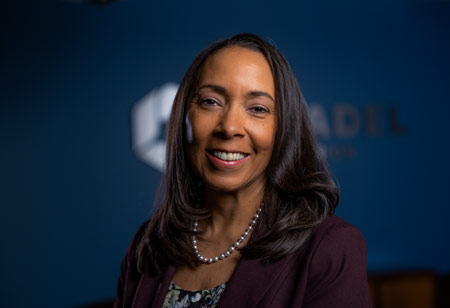
Sheri Perkins, Chief Wealth Officer, Head of Wealth Management

Sheri Perkins is a financial services executive with extensive leadership experience in banking and wealth management. She specializes in strategic growth, client relationships and team development while championing financial wellness, community impact and high-performing teams.

Why Wealth Management is About More than Money

Looking back on my 30-year career in wealth management, one of the biggest influences on my journey was my mother. Having attained her bachelor’s degree in the 1940s, she was the primary breadwinner for our family at a time when many women did not work outside of the home. Watching her embrace her role of providing for our family, managing the household finances and raising children taught me resilience, strength and determination.

My mother entered retirement just as I finished high school, and eventually my father passed and her health started to decline. I stepped in to help as her healthcare needs increased and she needed a plan for daily care. I needed to ensure she did not outlive her savings and to plan for the transfer of her remaining wealth equally to all of her children. That experience shaped my perspective on wealth management. I learned that this profession goes beyond managing investments to helping people prepare for life's most important transitions.

Clients face many life changes, from planning for retirement and caring for aging parents to selling a business, becoming a widow or widower unexpectedly or preparing the next generation. An advisor's role is to help clients make informed decisions during these pivotal moments, align financial choices with their goals and provide confidence through change. “No matter what a person’s wealth, everyone has worth.”

The industry is also evolving. Studies from reputable sources, like the Cerulli Report, estimate that approximately $124 trillion in assets will transfer over the coming decades, with much of that wealth moving to women. This shift is both an opportunity and a responsibility. Women already control roughly one-third of the financial assets in the United States and Europe, and that share will continue to grow. My mother's journey prepared me to understand the significance of this shift and today, I hope to help other women prepare for it as well.

The Human Side of Wealth Management

While portfolio returns remain an important part of financial success, they are only one element of effective wealth management. People’s greatest concerns are whether they will have enough to retire comfortably, maintain their lifestyle, manage taxes effectively, prepare for healthcare expenses and leave a meaningful legacy for their families.

“I encourage every advisor on my team to think of themselves as educators first.”

Meeting those expectations requires a comprehensive approach. We provide comprehensive financial planning that brings together every aspect of a client's financial life, including retirement and income planning, estate and tax planning, healthcare costs, wealth transfer and preparing the next generation. It also helps clients define the legacy they want to leave behind.

Just as important is helping clients understand the decisions being made. That's why I encourage every advisor on my team to think of themselves as educators first. Helping clients understand their options and the reasoning behind every recommendation builds confidence. Transparency and ongoing communication strengthen that confidence and create lasting relationships built on understanding.

Leading Through Trust and Relationships

The same principles that strengthen client relationships also guide my leadership philosophy. Building high-performing teams begins with trust. People perform at their best when they share a common purpose, understand their responsibilities and feel empowered to contribute.

We recently completed a team-building exercise centered on trust and collaboration, reinforcing how open communication, consistency and mutual accountability create stronger teams. Those qualities naturally extend to client relationships as well, where trust is earned through credibility and a genuine commitment to helping people.

Technical expertise will always matter, but meaningful relationships are built through communication, personalization and empathy. Research continues to show that these qualities are especially important for many women as they assume greater financial decision-making responsibilities. Regardless of the client or circumstance, the principle remains the same: People may forget what you said, but they will remember how you made them feel. That is why trust remains the foundation of effective leadership, enduring client relationships and successful wealth management.

Words of Advice for Future Leaders

My advice to anyone entering this industry is to have a genuine passion for helping people. Success in wealth management is built on serving others, earning trust and building lasting relationships.

Advisors must also be lifelong learners and educators. While clients have more access to information than ever before, they still need guidance to understand the reasoning behind every recommendation. By sharing knowledge and staying current with evolving technology, markets and client expectations, advisors build confidence and help clients remain focused on their long-term goals rather than reacting to short-term market fluctuations.

Looking ahead, technology, particularly artificial intelligence, will make advisors more efficient and enable more personalized service. AI won't replace financial advisors because trusted advice is built on human relationships. Instead, it will strengthen the client experience by helping advisors deliver more customized guidance.

Finally, advisors must prepare for the industry's future. As society becomes more diverse, digitally connected and focused on purpose-driven financial planning, client expectations will continue to evolve. Women and younger investors, in particular, value digital engagement, values-based planning, philanthropy and meaningful impact. Understanding these shifts will be essential for the next generation of advisors.

The View from the Knife's Edge:A New Market Regime
T. Rowe Price [NASDAQ: TROW]
The View from the Knife's Edge:A New Market Regime
Sébastien Page, CFA®, Head of Global Multi-Asset and Chief Investment Officer

In a recent meeting of T. Rowe Price’s Asset Allocation Committee, a question was raised about whether we had entered a new market regime. The question is at once simple and complicated. So, I asked my colleague, Gerard Brunick, a quantitative analyst in the Multi-Asset Division, to crunch the data to see whether recent conditions in the financial markets might resemble past market regimes.

Some Conclusions First

1.We are likely in a new market regime.

2. Recent economic conditions do NOT look like the stagflation that occurred in the 1970s.

3. We shouldn’t get too bearish because, historically, markets showed plenty of life when the fed funds rate was above 5%, as it is now.

4. Higher interest rates don’t necessarily take all the oxygen out of the system. The market could get excited by the prospect of productivity gains driven by artificial intelligence (AI).

Four Historical Market Regimes

Looking at market history, we identified four distinct eras:

1. Postwar Boom (1955-1969)
Because of data limitations, our “postwar boom” started in 1955, a decade after the end of World War II. This era of prosperity had the strongest economic growth and the lowest unemployment of our four regimes. Inflation was also low, in the 2% range, and there were strong productivity gains.

2. Stagflation (1970-1981)
With stagflation, inflation spikes due to supply shocks, even when demand is weak. This era featured oil price shocks in 1973-74 and 1978-79. This regime began in 1970 and eventually ended after central bank Chair Paul Volcker slayed the inflation dragon by taking the fed funds rate as high as 20%. Stock returns were the lowest of the four regimes.

3. Old Normal (1982-2007)
The steady decline in interest rates was the defining feature of this era. Economic growth and inflation were “normal,” at about 3% each per year. Capital markets outperformed the economy due to rising valuations and cheap leverage. The business cycle continued, with bull markets and crashes.

4. New Normal (2008-2019)
After the global financial crisis, we entered an era of extremely accommodative central bank policy. The economy got stuck in neutral, with low rates, low growth, and low inflation.

"The world is different now.We’re in a new regime, an environment that will look different from what we studied."

What About Now?

So, the questions become, what historical market regimes rhyme with the recent environment and can those regimes be instructive for what might be to come? When you look at the most recent Fed funds rate and inflation readings, today is closest to the Old Normal. Interestingly, the second-closest historical regime is the Postwar Boom. When you add a third factor, GDP growth, the current environment still looks closer to the Old Normal, even though the relatively low rate of economic expansion is more in line with New Normal standards. Adding unemployment as a fourth factor makes the Postwar Boom look most like today’s environment.

My View from the Knife’s Edge

Over the short term, the market could shift into something resembling any of the four historical regimes. However, a return to the New Normal strikes me as the least likely outcome. The New Normal is old news. Stagflation also appears less likely. In our analysis, current conditions call most likely for a split between the Old Normal and the Postwar Boom. But if inflation reaccelerates above 6% and economic growth remains anemic, the likelihood of a return to stagflation would increase significantly.

Our Asset Allocation Committee believes that inflation risk skews to the upside. Rising energy prices are a concern amid emerging pressures on supplies. Labor costs may also head higher, a point underscored by the United Auto Workers strike. High interest rates won’t kill the economy. Current rates are high relative to the New Normal, but not relative to history in the capital markets. The Fed funds rate has exceeded 5% for decades, and stock markets still did well.

The world is different now. We’re in a new regime, an environment that will look different from the four we studied. Nonetheless, history often rhymes with the present. So, let’s not get too bearish. Market segments that don’t trade at nosebleed valuations, such as small- and mid-cap stocks and real asset equities, look appealing on a relative basis. And if we see a spike in volatility and a market sell-off, it may be an opportunity to buy stocks.

4 Commonly Used Wealth Transfer Strategies
Old National Bank [NASDAQ: ONB]
4 Commonly Used Wealth Transfer Strategies
Jeanne Krigbaum, Chief Wealth Planning Officer

Baby boomers are set to pass along more than $68 trillion to their children in what’s being referred to as the “Great Wealth Transfer.” Sadly, family assets are often lost from one generation to the next.

A lot of people don’t know to distinguish between general estate planning and wealth transfer planning. For example, wills and living trusts are core estate planning documents, but when it comes to wealth transfer tax planning, you may need to look at some additional strategies.

Here’s what you need to know about wealth transfer strategies to ensure you pick the right one for your needs.

What do we mean when we say wealth transfer?

"Wealth transfer” is the process of transferring wealth from one generation to another, and there are several strategies that you can pick from to do so. Each comes with its own unique set of advantages and disadvantages, so it’s essential to investigate all of them before deciding where to place your own assets.

What are common wealth transfer strategies to consider?

Listed below are some of the most common wealth transfer strategies. Be sure to consult with your financial advisor to discuss which would be best for you based on your own goals and circumstances.

Irrevocable Life Insurance Trusts

Life insurance is a great wealth transfer asset because the proceeds are inherited estate and income tax free, and can be used for goals like providing liquidity to pay for estate taxes, or transferring wealth directly to your beneficiary(ies). Irrevocable Life Insurance Trusts (ILITs) help to remove the value of the death benefit from the owner’s taxable estate.

Pros: Because the value of the death benefit is removed from your taxable estate, total estate taxes owed will likely be lower, helping to maximize the amount passing to the next generation. Additionally, death benefit proceeds pass pursuant to your trust terms, as opposed to outright in a lump sum. This may also be one of the easier options to implement if you already have a life insurance policy in place.

Cons: This option is irrevocable (as are all the options on this list), which means that once the policy is in the trust, it cannot be easily removed. Additionally, if you transfer an existing life insurance policy into an ILIT and you pass away within three years of the transfer, the policy may be pulled back into the estate.

Grantor Retained Annuity Trust

If you have an asset that you anticipate will appreciate over time, but either don’t have any federal exemption left or you aren’t comfortable transitioning a large asset, a Grantor Retained Annuity Trust (GRAT) may be a nice option for you. The goal with a GRAT is to remove the appreciation of an asset from your estate, while receiving annuity payments back to you over a period of years.

"Wills and living trusts are core estate planning documents, but when it comes to wealth transfer tax planning, you may need to look at some additional strategies."

Pros: Any growth that occurs within the GRAT between the day it’s funded and when it's terminated is passed onto the beneficiaries estate tax-free. This removes growth from your estate, while at the same time providing an annuity payment to you on an annual basis. It’s a lower-risk strategy that can be effective with fast-growing assets.

Cons: If you pass away during the trust term, it’s as though the trust doesn’t exist, for estate tax purposes, so the value of the trust assets are includible in your taxable estate. It can also be expensive, depending on the type of asset, because of the ongoing asset valuations that can be required.

Intentionally Defective Grantor Trust

An Intentionally Defective Grantor Trust (IDGT) is an irrevocable trust that is considered “defective” for income tax purposes. In other words, you are allowed to continue paying the income tax owed on the trust assets, while at the same time having the value of those assets removed from your taxable estate.

Pros:  IDGTs provide another great way to remove future growth from your taxable estate. Because the IRS allows you to continue paying income taxes on the funds generated within the trust, this helps preserve the assets in the trust and reduces the overall value of your taxable estate. Selling assets into an IDGT may be another option, depending on your situation.

Cons: IDGTs are irrevocable and assets transferring in do not receive a step-up in basis. Consult with a CPA as it relates to the tax basis of assets you may consider putting into a trust so there are no unintended income tax consequences.

Spousal Lifetime Access Trust

A Spousal Lifetime Access Trust (SLAT) is a defective trust very similar to an IDGT. The primary difference between a SLAT and an IDGT is that, with a SLAT, the primary beneficiary is the spouse. This tends to make the most sense if you are concerned that you may need access to the trust assets down the road.

Pros: The SLAT has the same benefits as the IDGT, with the addition of providing your spouse with the ability to withdraw assets from the trust should you need them.

Cons: In addition to being irrevocable, if the spouse who is the beneficiary passes away first, or if the couple goes through a divorce, the grantor loses access to the trust. Additionally, the IRS prohibits spouses from creating identical SLATs for one another, so it is important to work with an attorney who has experience with this type of strategy.

Deciding on the best way to transfer your wealth can be tricky, and there are a lot of moving parts to consider. The above strategies are intended to reduce or eliminate estate taxes down the road, but that should never be the only reason to implement them. Taxes should be one factor, but not the only factor. Instead, look for a plan that fits with your overall goals.

Liquidity Risk Management in Banking-Be Prepared
EagleBank [NASDAQ: EGBN]
Liquidity Risk Management in Banking-Be Prepared
Charles Levingston, EVP, Chief Financial Officer

I never made it past the Cub Scouts, though the importance of that brief yet formative experience never left me: the notion of always being prepared. That has never been truer in the context of the liquidity issues that surfaced in the banking industry in March 2023. A conversation on the scarcity of liquidity within banking echoes these lessons we learn on preparation early on.

Before I continue, I must give the standard disclaimer that the views I express here are my own and do not necessarily reflect the views of EagleBank (or any of its affiliates), its directors, or any of my colleagues at the Bank.

1. Prevent crises with granular deposits from various customer profiles, including laddered term funding.

An organization with various customers and product offerings is in a better position to withstand any potential disruption or concern over liquidity. As we saw in the Silicon Valley Bank failure, the dependency on venture capital deposits caused a specific and immediate run on the bank due to a contagion concern within that tight-knit industry. Avoiding those kinds of concentrations and having a wide variety of industries represented within a deposit portfolio can protect against discreet industry turmoil or concern.

In terms of product offerings, consumer behaviors vary between checking, money market, and savings accounts simply because these products serve different purposes, and the way in which funds might move or react to a stressor could vary greatly. Additionally, utilizing term deposits that are spread over time, laddered for even turnover, and in smaller, more granular dollar amounts can serve as excellent protection in a liquidity crisis.

Similar to an investment portfolio, diversification and limiting concentrations are key to mitigating risk. 

2. There is no such thing as too many sources of contingent liquidity.

Most banks have a few conventional contingent liquidity sources. These might include a local Federal Home Loan Bank (FHLB), correspondent federal funds overnight lines of credit, brokered deposit networks, and, of course, the Federal Reserve Discount Window (Discount Window). Maximizing the availability at these institutions is a key risk mitigant to liquidity issues.

Today, many banks will first turn to the FHLB for day-to-day liquidity management. While I expect the FHLB system to continue to serve as a source, the complexion of that liquidity may change with recent plans from their regulator. To maximize the availability, a Corporate Treasury function should make sure that all the appropriate collateral (i.e., loans or securities) is being pledged.

"Brokered deposit networks offer a safety valve for contingent funding even if they can’t guarantee availability."

Most of the federal funds lines of credit offered by correspondent banks are relatively easy to secure, provided your institution is well-capitalized and in overall good standing. It’s important to recognize that these lines of credit generally come with the condition that availability can be canceled at any time and are considered emergency liquidity scenarios.

Brokered deposit networks offer a safety valve for contingent funding even if they can’t guarantee availability. Think of these as networks or aggregators that will allow banks to sell money to said networks overnight or at a term for other banks to then purchase those funds for liquidity needs. Money markets are fluid. As such, when liquidity tightens, these networks can dry up.

The last option, often referred to as the lender of last resort, is the Discount Window. Historically, the Discount Window offered borrowing capacity for brief periods (i.e., 90 days at a time). This primary Discount Window borrowing facility remains in place and should only be considered in extreme liquidity crises.

3. Be operationally prepared to move that money – then model your risk and have a plan.

Having the mechanisms in place to move money when needed requires ensuring the appropriate authorized parties are set up to interact with borrowing institutions. The procedure for moving collateral from one place to another to ensure sufficient capacity should be ready and understood by staff. 

The scenarios considered should be varied and fit into a well-conceived Contingency Funding Plan (CFP). The CFP is the artifact that bank management can have available and ready to serve as an action plan for liquidity and funding emergency.

4. Get out there and communicate with your customers; build those relationships.

Customers should know their money is available at their institution should they need access to it, and there are no roadblocks to having those funds presented as requested. That should be the message. This avoids unnecessary panic by insinuating that access to funds is constrained by liquidity limitations.

In navigating the unpredictable terrain of liquidity risk management, drawing parallels to the scout's motto of "always be prepared" becomes paramount for banks. Just as a scout diversifies skills and equips themselves for any challenge, financial institutions must take adequate steps to ensure readiness in various scenarios.


4 Commonly Used Wealth Transfer Strategies
Old National Bank [NASDAQ: ONB]
4 Commonly Used Wealth Transfer Strategies
Jeanne Krigbaum, Chief Wealth Planning Officer

Baby boomers are set to pass along more than $68 trillion to their children in what’s being referred to as the “Great Wealth Transfer.” Sadly, family assets are often lost from one generation to the next.

A lot of people don’t know to distinguish between general estate planning and wealth transfer planning. For example, wills and living trusts are core estate planning documents, but when it comes to wealth transfer tax planning, you may need to look at some additional strategies.

Here’s what you need to know about wealth transfer strategies to ensure you pick the right one for your needs.

What do we mean when we say wealth transfer?

"Wealth transfer” is the process of transferring wealth from one generation to another, and there are several strategies that you can pick from to do so. Each comes with its own unique set of advantages and disadvantages, so it’s essential to investigate all of them before deciding where to place your own assets.

What are common wealth transfer strategies to consider?

Listed below are some of the most common wealth transfer strategies. Be sure to consult with your financial advisor to discuss which would be best for you based on your own goals and circumstances.

Irrevocable Life Insurance Trusts

Life insurance is a great wealth transfer asset because the proceeds are inherited estate and income tax free, and can be used for goals like providing liquidity to pay for estate taxes, or transferring wealth directly to your beneficiary(ies). Irrevocable Life Insurance Trusts (ILITs) help to remove the value of the death benefit from the owner’s taxable estate.

Pros: Because the value of the death benefit is removed from your taxable estate, total estate taxes owed will likely be lower, helping to maximize the amount passing to the next generation. Additionally, death benefit proceeds pass pursuant to your trust terms, as opposed to outright in a lump sum. This may also be one of the easier options to implement if you already have a life insurance policy in place.

Cons: This option is irrevocable (as are all the options on this list), which means that once the policy is in the trust, it cannot be easily removed. Additionally, if you transfer an existing life insurance policy into an ILIT and you pass away within three years of the transfer, the policy may be pulled back into the estate.

Grantor Retained Annuity Trust

If you have an asset that you anticipate will appreciate over time, but either don’t have any federal exemption left or you aren’t comfortable transitioning a large asset, a Grantor Retained Annuity Trust (GRAT) may be a nice option for you. The goal with a GRAT is to remove the appreciation of an asset from your estate, while receiving annuity payments back to you over a period of years.

"Wills and living trusts are core estate planning documents, but when it comes to wealth transfer tax planning, you may need to look at some additional strategies."

Pros: Any growth that occurs within the GRAT between the day it’s funded and when it's terminated is passed onto the beneficiaries estate tax-free. This removes growth from your estate, while at the same time providing an annuity payment to you on an annual basis. It’s a lower-risk strategy that can be effective with fast-growing assets.

Cons: If you pass away during the trust term, it’s as though the trust doesn’t exist, for estate tax purposes, so the value of the trust assets are includible in your taxable estate. It can also be expensive, depending on the type of asset, because of the ongoing asset valuations that can be required.

Intentionally Defective Grantor Trust

An Intentionally Defective Grantor Trust (IDGT) is an irrevocable trust that is considered “defective” for income tax purposes. In other words, you are allowed to continue paying the income tax owed on the trust assets, while at the same time having the value of those assets removed from your taxable estate.

Pros:  IDGTs provide another great way to remove future growth from your taxable estate. Because the IRS allows you to continue paying income taxes on the funds generated within the trust, this helps preserve the assets in the trust and reduces the overall value of your taxable estate. Selling assets into an IDGT may be another option, depending on your situation.

Cons: IDGTs are irrevocable and assets transferring in do not receive a step-up in basis. Consult with a CPA as it relates to the tax basis of assets you may consider putting into a trust so there are no unintended income tax consequences.

Spousal Lifetime Access Trust

A Spousal Lifetime Access Trust (SLAT) is a defective trust very similar to an IDGT. The primary difference between a SLAT and an IDGT is that, with a SLAT, the primary beneficiary is the spouse. This tends to make the most sense if you are concerned that you may need access to the trust assets down the road.

Pros: The SLAT has the same benefits as the IDGT, with the addition of providing your spouse with the ability to withdraw assets from the trust should you need them.

Cons: In addition to being irrevocable, if the spouse who is the beneficiary passes away first, or if the couple goes through a divorce, the grantor loses access to the trust. Additionally, the IRS prohibits spouses from creating identical SLATs for one another, so it is important to work with an attorney who has experience with this type of strategy.

Deciding on the best way to transfer your wealth can be tricky, and there are a lot of moving parts to consider. The above strategies are intended to reduce or eliminate estate taxes down the road, but that should never be the only reason to implement them. Taxes should be one factor, but not the only factor. Instead, look for a plan that fits with your overall goals.

Wealth Management Info

Q1
What Do Top Wealth Management Companies Do?
Top Wealth Management Companies provide integrated financial advisory services that extend beyond basic investment management. Their work typically combines portfolio construction, retirement planning, tax strategy, estate structuring and risk management under a coordinated framework. For high-net-worth individuals and increasingly for mass affluent clients, this involves aligning financial decisions with life goals, liquidity needs and intergenerational planning. Many firms also act as coordinators between legal, tax and investment professionals, ensuring that decisions in one area do not create unintended consequences in another.
Q2
Why Do Top Wealth Management Companies Matter Today?
Demand for Top Wealth Management Companies has intensified as financial lives grow more complex. Market volatility, shifting tax regulations and longer life expectancies are forcing individuals to think beyond simple asset accumulation. At the same time, wealth transfer between generations is accelerating, raising questions around inheritance planning, governance and education. Digital assets, global investments and alternative asset classes add another layer of complexity. This environment has made structured, long-term financial planning less optional and more necessary, especially for those managing sizable or diversified portfolios.
Q3
How Should Clients Evaluate Wealth Management Firms?
Evaluation often starts with understanding how a firm structures advice. Some firms operate on a fiduciary basis, while others may blend advisory and product-driven models. Fee transparency is critical, particularly in how advisory fees, commissions and underlying fund costs are presented. Clients should also examine service scope: whether the firm handles only investments or offers tax coordination, estate planning and philanthropic advisory. Another practical factor is continuity of service—how relationships are maintained during advisor transitions and how consistently advice is documented and executed.
Q4
What Value Do These Firms Deliver Beyond Investment Returns?
Returns alone rarely define success in wealth management. Effective firms help reduce costly mistakes such as tax inefficiencies, poorly timed asset sales or misaligned estate structures. They also provide discipline during market swings, preventing reactive decisions that can erode long-term wealth. For families, structured planning can simplify inheritance processes, reduce disputes and ensure continuity of financial intent. In practice, value often shows up in smoother cash flow planning, fewer compliance issues and clearer decision-making rather than headline performance figures.
Q5
How Are Technology and Data Changing Wealth Management Services?
Digital platforms are reshaping how Top Wealth Management Companies deliver advice. Portfolio dashboards, automated rebalancing tools and scenario modeling software allow for more frequent and transparent updates. Data aggregation tools give advisors a consolidated view of a client’s financial life, including liabilities and external holdings. Artificial intelligence is beginning to assist with risk profiling and portfolio adjustments, though human judgment still plays a central role. The shift is less about replacing advisors and more about improving accuracy, speed and client visibility into decisions.
Q6
What Should Clients Prioritize When Comparing Top Wealth Management Companies?
Clients comparing Top Wealth Management Companies should focus on alignment rather than scale alone. Key priorities include clarity of advice, consistency of communication and the firm’s ability to handle complex financial situations without overcomplicating them. It is also worth examining how advice evolves over time, whether it adapts to life events such as business exits, relocation or generational transitions. Service responsiveness, reporting clarity and the ability to coordinate across tax and legal advisors often make a measurable difference in long-term outcomes.