


Weekly Brief
×Be first to read the latest tech news, Industry Leader's Insights, and CIO interviews of medium and large enterprises exclusively from Financial Services Review
A featured contribution from Leadership Perspectives, a curated forum for banking, financial services, and fintech leaders, nominated by our subscribers and vetted by the Financial Services Review Editorial Board.

Citadel Credit Union
Helping Clients Prepare For Life, Not Just Retirement
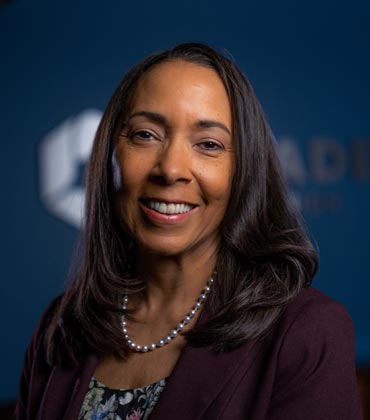
Sheri Perkins
Sheri Perkins is a financial services executive with extensive leadership experience in banking and wealth management. She specializes in strategic growth, client relationships and team development while championing financial wellness, community impact and high-performing teams.
Why Wealth Management is About More than Money
Looking back on my 30-year career in wealth management, one of the biggest influences on my journey was my mother. Having attained her bachelor’s degree in the 1940s, she was the primary breadwinner for our family at a time when many women did not work outside of the home. Watching her embrace her role of providing for our family, managing the household finances and raising children taught me resilience, strength and determination.
My mother entered retirement just as I finished high school, and eventually my father passed and her health started to decline. I stepped in to help as her healthcare needs increased and she needed a plan for daily care. I needed to ensure she did not outlive her savings and to plan for the transfer of her remaining wealth equally to all of her children. That experience shaped my perspective on wealth management. I learned that this profession goes beyond managing investments to helping people prepare for life's most important transitions.
Clients face many life changes, from planning for retirement and caring for aging parents to selling a business, becoming a widow or widower unexpectedly or preparing the next generation. An advisor's role is to help clients make informed decisions during these pivotal moments, align financial choices with their goals and provide confidence through change. “No matter what a person’s wealth, everyone has worth.”
The industry is also evolving. Studies from reputable sources, like the Cerulli Report, estimate that approximately $124 trillion in assets will transfer over the coming decades, with much of that wealth moving to women. This shift is both an opportunity and a responsibility. Women already control roughly one-third of the financial assets in the United States and Europe, and that share will continue to grow. My mother's journey prepared me to understand the significance of this shift and today, I hope to help other women prepare for it as well.
The Human Side of Wealth Management
While portfolio returns remain an important part of financial success, they are only one element of effective wealth management. People’s greatest concerns are whether they will have enough to retire comfortably, maintain their lifestyle, manage taxes effectively, prepare for healthcare expenses and leave a meaningful legacy for their families.
“I encourage every advisor on my team to think of themselves as educators first.”
Meeting those expectations requires a comprehensive approach. We provide comprehensive financial planning that brings together every aspect of a client's financial life, including retirement and income planning, estate and tax planning, healthcare costs, wealth transfer and preparing the next generation. It also helps clients define the legacy they want to leave behind.
Just as important is helping clients understand the decisions being made. That's why I encourage every advisor on my team to think of themselves as educators first. Helping clients understand their options and the reasoning behind every recommendation builds confidence. Transparency and ongoing communication strengthen that confidence and create lasting relationships built on understanding.
Leading Through Trust and Relationships
The same principles that strengthen client relationships also guide my leadership philosophy. Building high-performing teams begins with trust. People perform at their best when they share a common purpose, understand their responsibilities and feel empowered to contribute.
We recently completed a team-building exercise centered on trust and collaboration, reinforcing how open communication, consistency and mutual accountability create stronger teams. Those qualities naturally extend to client relationships as well, where trust is earned through credibility and a genuine commitment to helping people.
Technical expertise will always matter, but meaningful relationships are built through communication, personalization and empathy. Research continues to show that these qualities are especially important for many women as they assume greater financial decision-making responsibilities. Regardless of the client or circumstance, the principle remains the same: People may forget what you said, but they will remember how you made them feel. That is why trust remains the foundation of effective leadership, enduring client relationships and successful wealth management.
Words of Advice for Future Leaders
My advice to anyone entering this industry is to have a genuine passion for helping people. Success in wealth management is built on serving others, earning trust and building lasting relationships.
Advisors must also be lifelong learners and educators. While clients have more access to information than ever before, they still need guidance to understand the reasoning behind every recommendation. By sharing knowledge and staying current with evolving technology, markets and client expectations, advisors build confidence and help clients remain focused on their long-term goals rather than reacting to short-term market fluctuations.
Looking ahead, technology, particularly artificial intelligence, will make advisors more efficient and enable more personalized service. AI won't replace financial advisors because trusted advice is built on human relationships. Instead, it will strengthen the client experience by helping advisors deliver more customized guidance.
Finally, advisors must prepare for the industry's future. As society becomes more diverse, digitally connected and focused on purpose-driven financial planning, client expectations will continue to evolve. Women and younger investors, in particular, value digital engagement, values-based planning, philanthropy and meaningful impact. Understanding these shifts will be essential for the next generation of advisors.
The articles from these contributors are based on their personal expertise and viewpoints, and do not necessarily reflect the opinions of their employers or affiliated organizations.
