A featured contribution from Leadership Perspectives, a curated forum for banking, financial services, and fintech leaders, nominated by our subscribers and vetted by the Financial Services Review Editorial Board.

Íslandsbanki
The Future of Asset Management is Personal and Digital
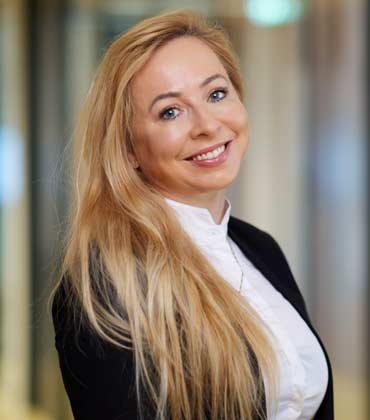
Hildur Eiriksdottir
Hildur Eiriksdottir, Executive Director, Asset Management at Íslandsbanki, has over 20 years of experience in Iceland and Luxembourg. She leads with empathy, innovation, and deep market insight, championing client trust, team development, financial literacy, and sustainable, technology-enhanced asset management.
Can you walk us briefly through your leadership role as Executive Director of Asset Management? What are your key responsibilities and areas of focus?
In my role in Asset Management, I lead a highly experienced team—with an average of over 20 years in the field. It's a privilege to work alongside professionals who have helped shape Iceland's financial markets over the past four decades. The team benefits from a dynamic mix of seasoned and newer professionals, combining experience with fresh perspectives and innovative thinking. This cross-generational collaboration fosters continuous learning and development, something I value deeply from my own experience of growing into the role from a young age.
Our team culture is a shared responsibility, built on mutual respect and the belief that everyone brings value. We serve a wide range of clients, from Private Banking to Institutional, and my main responsibility is to ensure my team has everything they need to exceed client expectations. We operate in a tightly regulated environment, working closely with legal and compliance teams, while constantly seeking technological solutions to enhance efficiency and free up time for client service.
We also place a strong emphasis on financial literacy— communicating market insights in a clear and relatable way. Especially during turbulent times, regular contact is key to help clients stay focused on their long-term goals. As part of Íslandsbanki’s Investment Banking division, our structure allows for seamless client referrals across the bank, enhancing our ability to serve holistically. Ultimately, client interaction is at the heart of our work—listening, understanding concerns, and ensuring clients feel well supported.
How has the role of asset management evolved in recent years, particularly in response to changing client expectations and global developments?
Having worked in the industry for 25 years, the changes have been significant. In the early 2000s, we still dealt with paper securities—today; trades happen in seconds. Access to information has improved drastically, making it easier for clients to stay informed and engaged. Previously, investing was more exclusive; now, it’s more accessible, allowing more people to transition from saving to investing.
"I’m excited by the opportunity to keep improving how we serve our clients. In Private Banking, we often support clients who want to secure their families’ futures, being part of that journey is very rewarding."
Clients today expect timely, transparent, and accurate information. They are more globally aware while still holding a natural bias toward local companies. Though fundamentals of asset management—like portfolio construction—haven’t changed, product variety has expanded significantly. Derivatives and indices now dominate the landscape. While some trends can add value, they must be approached with a critical eye. Not all indices offer true diversification, despite what their names might suggest.
Digital tools and data-driven strategies are changing how we manage assets and engage clients. How are you integrating innovation without losing the human touch?
Technology has transformed our field, improved data analysis, automating time-consuming tasks. I see even more potential ahead, especially with developments like blockchain that could streamline back and middle-office processes. What excites me most is the younger, tech-savvy generation growing up with digital literacy as second nature—they will shape how we use these tools moving forward.
However, while technology enhances how we present and interpret data, it cannot replace the value of human connection. Clients still want to talk to someone they trust, who understands their personal needs. Technology should support and enrich that relationship—not replace it.
Looking ahead, what excites you most about the future of asset management— and your role in shaping it?
I’m excited by the opportunity to keep improving how we serve our clients. In Private Banking, we often support clients who want to secure their families’ futures—being part of that journey is very rewarding. On the institutional side, professionals invest on behalf of others, but the beneficiaries are still individual people. In both cases, we aim to deliver peace of mind.
I also look forward to seeing the influence of the new generation of investors and professionals—bringing fresh ideas and embracing technology. But through all the changes, human insight, empathy, and tailored advice will remain the foundation of asset management. Everything else—AI, digital tools, analytics—should support that core mission.
What is one piece of advice would you offer to emerging professionals looking to build a meaningful career in asset management or financial services more broadly?
Be curious and seek out learning opportunities. Find a mentor, follow investments that interest you, and approach the industry with humility—leave entitlement at the door. Accept that uncertainty is part of the process, stay long-term focused and diversify. Be mindful of costs, stay true to your values and remember that kindness and a smile go a long way.
The articles from these contributors are based on their personal expertise and viewpoints, and do not necessarily reflect the opinions of their employers or affiliated organizations.
