


Weekly Brief
×Be first to read the latest tech news, Industry Leader's Insights, and CIO interviews of medium and large enterprises exclusively from Financial Services Review

Stacy Taffet
Chief Growth Officer, The Hershey Company
Growing Legacy Brands Without Losing Customer Trust
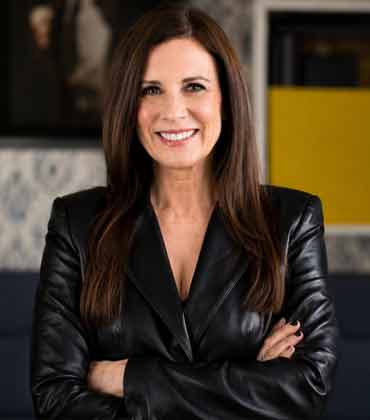
Stacy Taffet serves as Chief Growth Officer at The Hershey Company, where she oversees enterprise strategy and growth capabilities spanning marketing innovation, consumer intelligence, research and development, media investments and brand reputation. She led strategy and marketing for several major consumer brands at PepsiCo for almost 20 years before coming to Hershey. Her work demonstrates a consistent focus on helping well-known businesses stay relevant without losing what initially made them exceptional.
Preserving What Customers Already Value
Growth leaders in consumer packaged products must strike a careful balance with their customers. As customers expect well-known businesses to adapt to their shifting tastes, but too much change might erode the very attributes that fostered recognition and trust in the company.
And that's where Taffet's role revolves around. Because Hershey's portfolio includes brands that have long been part of customers' lives. This tells us growth is less about reinvention and more about determining which aspects should stay the same. A recurring issue in public conversations about her work is that modernization should increase a brand's relevance without destroying its character.
When customer attention is dispersed among platforms, channels and cultural moments that did not exist when many great businesses were initially founded, the problem is more severe.
Discovering Growth Outside of Conventional Habits
Rarely does consumer behavior remain unchanged. Expectations for food and snacking continue to alter, as do media habits and purchase situations.
Taffet's duties go beyond marketing execution to include the more general responsibility of determining the source of future development. Enterprise strategy, consumer intelligence and innovation functions that influence how the business reacts to new opportunities are all part of her mandate.
Looking past historical trends is necessary for that work. Understanding how businesses fit into new habits, shifting customer priorities and changing demographics is becoming increasingly important for growth. Taffet's job is to assess where changes are required to be relevant, rather than to use existing success as a justification for consistency.
Connecting Creativity With Commercial Discipline
Large consumer brands generate no shortage of ideas. The harder task is determining which opportunities deserve investment and which should remain experiments.
Taffet's experience in food, beverages, and other consumer categories has exposed her to large-scale organizations. She oversaw portfolio planning and marketing for several brands during her tenure at PepsiCo; this experience now informs her work in a position where innovation must continue to be linked to quantifiable financial results.
From innovation teams investigating future products to consumer intelligence groups analyzing changes in demand, the role requires cross-functional collaboration to drive growth. Aligning such efforts around a cohesive growth agenda is more important to success than generating ideas.
Building Relevance Instead of Just Reach
The most powerful brands frequently encounter a unique challenge depending on how well a business adapts to shifting customer expectations; familiarity can be either an asset or a liability.
Taffet's leadership demonstrates an understanding that reaching more people is not the only way to expand. It entails ensuring brands remain relevant in new environments and events while upholding the attributes customers already recognize and value. Expanding promotional possibilities and generating relevance beyond traditional seasonal moments have been highlighted in recent conversations about Hershey's growth ambitions.
It is this measured approach to balancing brand stewardship with commercial growth that underpins Stacy Taffet's recognition among Financial Services Review's Top 10 Chief Growth Officers 2026.
