Wealth And Estate Planning | Financial Services Review Europe

Wealth and Estate Planning

Wealth and Estate Planning is the integrated strategy of preserving, managing, and transferring assets across generations. It combines investment planning, tax optimization, legal structuring, and succession design to protect wealth, honor client intent, and minimize liabilities, ensuring continuity, governance, and efficient intergenerational transfer in complex regulatory and family environments.

LLC Private Wealth: Process-Driven Planning for Wealth Protection and Growth
LLC Private Wealth
LLC Private Wealth: Process-Driven Planning for Wealth Protection and Growth
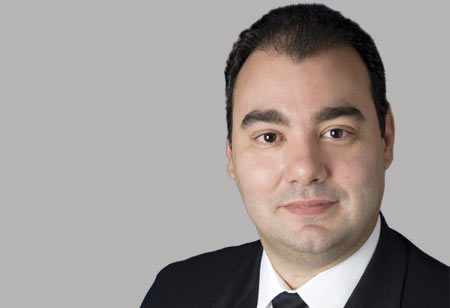
Michael LeBlanc, Senior Portfolio Manager and Senior Wealth Advisor
How does LLC Private Wealth structure client-centered investment planning and tailored portfolio strategies?

LLC Private Wealth operates on the premise that portfolios should be built around the client, not the market. Rather than relying on generic investment models or benchmark-driven strategies, the firm designs portfolios based on each client’s specific financial situation, objectives, cash flow needs and risk tolerance. It takes a tailored, tactical, process-driven approach to guide investment decisions based on planning and suitability rather than market performance.

This approach may differ from most traditional wealth management models that operate within narrow benchmark constraints, which often appear to reduce risk. Even balanced portfolios may seem conservative, yet they experience significant drawdowns during market slumps. LLC Private Wealth addresses this gap between perceived safety and actual risk exposure through disciplined planning and proactive risk management.

“We focus on building a disciplined plan and process around each client’s situation, rather than placing them into predefined risk categories or benchmark-based portfolios,” says Michael LeBlanc, Senior Portfolio Manager and Senior Wealth Advisor.

Portfolios Designed to Manage Risk through Market Cycles

What risk management principles guide portfolios through volatile market cycles?

Each portfolio-building strategy begins with a detailed planning process focused on understanding what the client wants to achieve with their capital. Risk management sits at the center of every strategy, with portfolios structured to manage exposure through varying market conditions.

The outcome of this risk discipline was evident in 2022. During a year when global markets declined by approximately 24 percent, the firm’s discretionary portfolios that were active for the full 2022 calendar year, experienced significantly smaller drawdowns, falling by eight percent or less. They recovered months before broader markets recouped their losses. The outcome demonstrated the value of disciplined planning over market timing.

Canadian Perspectives on Wealth Preservation: Navigating Tomorrow's Challenges

Advanced tax strategies, digital integration, and robust governance are revolutionizing the landscape of Canadian wealth and estate planning.

As the country heads into one of the most significant intergenerational transfers of capital in its history, the very structure of wealth and estate planning is experiencing profound and radical shifts in Canada. Such a transition includes not simply a change of assets from one ledger into another but reminds the concerned parties of orchestrating rather complicated salvos of legal, fiscal, and family priorities.

The older estate management models are giving way to more integrated and dynamic approaches, which take into account the ever-changing global economy and rapidly changing domestic environment for taxation. For very high-net-worth individuals and business owners, the bar has been raised above mere asset accumulation to truly consider long-term sustainability and mitigation against risks across multiple generations. By a concerted and holistic approach to wealth, they can ensure their legacy against the twofold malignity of recognized fiscal hurdles and the unexpected whims of today's digital economy.

The Impact of Evolving Fiscal Policies on Asset Structures

The proactive management of evolving capital gains tax rules and inclusion rates has become one of the most pertinent aspects of estate planning strategy in Canada today. The focus now is on higher inclusion thresholds for individuals and corporations, bringing about a reevaluation of capital property and private business interests.

In light of such adverse impacts, there has been an increasing inclusion of advanced trust structures and specialized holding companies in estate planning as vehicles to defer liabilities and optimize wealth distribution. On the other hand, one has to be in constant watch over any changes in legislation to keep any such plans relevant. By dovetailing tax planning with an estate strategy, the owners can protect their assets better from erosion by the time it is transferred, thereby preserving purchasing power for the next generation.

The management of real estate assets is fast becoming significance to estate planning in Canada, where families are using them as vehicles for early wealth transfer owing to increasing prices and limits on urban property supply. Approaches could include joint ownership and special-purpose vehicles that allow the transfer of equity to heirs while allowing continued usage by the original owners.

These are ways for administering asset acquisition by young beneficiaries in the high-interest-rate environment. Structured gifting and life-interest trusts give families the means to provide themselves with a financial safety net while navigating the complexities of probate and rules related to deemed disposition.

Integrating Advanced Analytics into Succession Planning Frameworks

The integration of autonomous digital systems is redefining how Canadian family offices and legal departments envisage succession planning. Digital twin technology has come to be used in creating comprehensive virtual models of family firms so planners can simulate the effects of different management transitions and market shocks before they occur. These tools allow for a very detailed scrutiny into the cash flow needs and possible liquidity constraints that may arise during the estate settlement process.

The very relevance of being able to go back in time with such foresight is even more so for businesses already undergoing a wave of transfers to individuals above the age of 50. By modeling the long-term sustainability of the enterprise under different governance scenarios, stakeholders can ensure that the transition of authority does not compromise the operational integrity or the financial viability of the organization.

Some new complexities were introduced into estate planning through digital assets and cybersecurity, which have become increasingly important. The management of intangible property—anything from proprietary business software and intellectual property to digital currencies and encrypted repositories of data—is becoming part of modern wealth services. The accurate description, valuation, and protection of these assets, within the legal framework, are critical to sustaining an edge in a technology-led economy.

The professionals are working on robust protocols for the secure transfer of digital credentials and the implementation of multi-factor authentication for fiduciaries. Such focus on digital security ensures confidentiality for the family while providing for a transition of the classes of modern assets that will be as seamless and legally watertight as the transition of traditional physical assets.

Cultivating Intergenerational Readiness through Strategic Governance

The success of any wealth transfer in Canada remains highly dependent on the capability of the beneficiaries to cope with their inheritance obligations. Institutions are evidently beginning to impose formally structured governance frameworks with emphasis on financial literacy and communication across generations. The formation of bodies such as family councils and setting out in writing a mission statement that will capture the value and long-term objectives of the estate are notable examples of such governance frameworks.

Most importantly, the earlier heirs are involved in matters of decision-making, the more families can bridge expectations together, while also diminishing the potential for such disputes that would eat up estate capital. Governance then acts as a bridge between the technical aspects of the estate plan and the human interaction that will contribute most to its long-term viability, such that the legacy becomes a source of unity rather than conflict.

Disciplined Wealth and Estate Planning For Canadian Executives

Wealth and estate planning services in Canada have grown crowded and indistinct. Large institutions often anchor portfolios tightly to broad market benchmarks, limiting how far allocations can deviate. That approach can create the appearance of prudence, yet it frequently leaves families exposed to the full force of market drawdowns while offering little room for genuine customization. Balanced portfolios marketed as conservative can still decline sharply in volatile periods, and the arithmetic of recovery works against investors who experience deep losses. Executives responsible for overseeing financial planning arrangements, whether for family enterprises or senior leadership groups, require a framework that prioritizes capital preservation and purpose over index mimicry.

A disciplined planning process should begin by clarifying suitability in concrete terms. Risk tolerance cannot be reduced to a point on a graph that assigns a standardized model. It must reflect cash flow needs, ownership structures, tax exposure and estate intentions. Investment decisions should follow from that profile rather than from an abstract comparison to market averages. The quality of a wealth advisory relationship becomes evident in periods of stress, when portfolios constructed with attention to downside management avoid disproportionate losses and recover on a steadier path. Limiting the magnitude of decline often proves more consequential than matching upside in rising markets.

Thoughtful wealth oversight also distinguishes between maintaining established capital and pursuing measured growth. Mature assets that support lifestyle needs, philanthropy or succession planning demand consistent income generation and tax awareness. Growth-oriented allocations, particularly in smaller companies, require a different discipline rooted in cash flow analysis and careful entry and exit decisions. The two streams must be integrated within a single financial plan so that ambition does not undermine security. Estate considerations further complicate the equation. Corporate reorganizations, holding company structures, real estate assets and financing arrangements all influence how wealth is transferred, financed and taxed. Coordination with accountants and legal advisors is not optional; it is central to preserving long-term value and ensuring that family objectives remain intact across generations.

Service depth is another dividing line. Senior executives often encounter complex transactions such as equity compensation exercises, corporate restructurings or time-sensitive settlements. Execution errors can trigger tax penalties or compliance breaches. An advisory team must demonstrate the capacity to manage these details accurately, liaise with external professionals and remove administrative burdens from clients. Problem solving, rather than product distribution, becomes the defining characteristic of a credible advisory platform.

LLC Private Wealth positions itself within this disciplined model. It emphasizes a structured planning process that assesses suitability before constructing portfolios and it does not anchor decisions to broad benchmarks. In challenging markets such as 2022, when major indices declined sharply, its most aggressive portfolios reportedly experienced materially smaller drawdowns and recovered more quickly. It operates through two integrated streams: wealth management focused on steady growth, income and tax efficiency, and wealth creation centered on cash flow–driven small-cap investing. The firm also extends into estate structuring, corporate planning and transaction support, coordinating financing strategies and asset placement across operating and holding entities while working alongside accountants and other advisors. For executives seeking a process-led Canadian advisor that aligns investment discipline with estate intent, LLC Private Wealth merits serious consideration.

Building Resilient Supply Chains Amid Economic and Geopolitical Uncertainty
Standard Chartered Bank
Building Resilient Supply Chains Amid Economic and Geopolitical Uncertainty
Joao Galvao, Managing Director - Head of Transaction Banking Corporate Sales, Americas

While a US recession may prove to be insignificant or likely avoided entirely, the geopolitical outlook inspires caution, and companies engaged in global trade would do well to take a closer look at their financial supply chains to ensure they’re well-equipped to deal with the impact of growing trade tensions.

The majority of economists believe that the US will avoid a recession. Though there are signs of better-than-expected GDP growth, a surprisingly strong job market, and a healthy level of consumer spending, the economy is still reeling from the consequences of successive interest rate hikes and stick-high inflation.

Against a backdrop of global macroeconomic uncertainty, especially considering geopolitical tensions and the possibility of material shifts in trade policies with an unprecedented number of elections this year including US, the outlook presents a worrying scenario for companies.  Corporations face the challenge of higher working capital and greater risk mitigation needs, while simultaneously striving to strengthen their supply chains to unprecedented levels of resilience.

While a 2024 downturn is unlike. There is consensus that the supply chains are shifting, and planning and preparation will be key in establishing a more resilient and diversified supplier base to navigate any ‘known unknowns.’

The good news is that companies today have more time to do so than in prior years of crisis, such as in 2008 when the events were fast and tumultuous, surprising many companies and leading to a rushed implementation of strategies and solutions to mitigate the impact.

Given the volatile situation today and lessons learned during the financial crisis and pandemic era, it is prudent that companies act now to gear up for the impact of a period of disruption on their supply chains. Regardless of whether or not we enter a recession, there is a consensus that credit markets will continue to tighten, which is particularly concerning for small and medium-sized enterprises (SMEs), and in turn the supply chains to which they provide vital inputs.

Trade Finance Matters

During the 2008 financial crisis, large investment-grade companies came to the aid of their suppliers by issuing letters of credit, providing down payments on purchase orders, and extending various other kinds of working capital support to sustain their global supply networks.

Although some of these measures were far from ideal from a treasury management perspective, they helped to accelerate the importance and implementation of trade finance solutions. According to the International Monetary Fund, the share of world trade supported by bank-intermediated trade finance increased during the 2008 downturn.

As has been proven time and time again, in times of crisis, trade finance emerges as the lifeblood of international trade. It’s a countercyclical product with a range of solutions, such as supply chain finance, which can transfer credit risk from smaller businesses to larger, well-established companies, helping to shore up resilience right across the supply chain ecosystem.

"Given the volatile situation today and lessons learned during the financial crisis and pandemic era, it is prudent that companies act now to gear up for the impact of a period of disruption on their supply chains."

Where supply networks need to be reconfigured and new suppliers introduced, trade and supply chain finance instruments can help companies manage the increased risks of less established relationships.

Lenny Floria, a senior treasury manager at Nokia USA, shares that Nokia USA’s trade finance banking relationships were key in supporting the company’s working capital metrics during the financial crisis.

To boost the resilience of supply chains, large buyer companies can implement or expand supply chain finance programs to improve the availability and cost of funding throughout their networks and ensure the stability of strategic suppliers. Likewise, suppliers–often SMEs–can engage with their large buyers about the prospects of joining an existing supply chain finance program, or leveraging alternative funding options, such as receivables products.

Working proactively with trade finance specialists, treasury teams within companies of all sizes can identify the appropriate financing tools to enable them to withstand the current economic scenario and ensure the agility and sustainability of their supply chains. 

Given that economic uncertainty and higher financing costs are projected to continue, now is the time for companies to be reassessing their supply chains and their trade finance lines, and making sure that they have strong, reputable trade finance banks by their side. A proactive approach will go a long way to preventing undesirable working capital issues and emerging well-equipped to scale during expansionary periods.

While some businesses already have a financing and liquidity plan in place for weathering the storm, those that do not tend to not have taken any pre-emptive measures for bolstering their supply chains. For example, for several US companies engaging in trade with the Middle East, Africa, and Asia, solutions often fall short in terms of their support to suppliers in those dynamic markets.

ESG Objectives

As companies prepare to navigate forthcoming challenges and position themselves for success, their goals are also turning toward achieving important sustainability-related objectives within their supply chains. For large corporates, this shift could include rewarding suppliers based on environmental, social, and governance (ESG) criteria.

For many years, Standard Chartered has been working with companies to develop supply chain programs that provide tangible benefits to those who deliver on their ESG commitments.

The Bank’s enhanced partnership with US clothing company PVH Corp on a sustainability-linked supplier finance program is a recent example of a solution that is helping to drive suppliers’ environmental and social ambitions across the supply network.

Under the facility, suppliers to PVH Corp will get access to discounted financing if their day-to-day operations meet performance standards linked to environmental targets and a series of social elements, including a healthy and safe working environment, as well as employment issues, such as eradicating forced labor, child labor, harassment, and abuse.

As is demonstrated in this facility, and across the spectrum of the Bank’s suite of solutions, trade finance is a powerful tool that can be used to engage and incentivize companies across supply chains. It can be harnessed not only to offer working capital improvements but also to foster sustainable practices.

With careful planning, suitable financial instruments, and the right partners, companies can ensure they’re doing everything in their power to mitigate potential risks and emerge stronger in the face of economic uncertainty.

Wealth and Estate Planning FAQ

Q1
What Do Top Wealth and Estate Planning Services Help Individuals and Families Achieve?
Top Wealth and Estate Planning Services help individuals, families and business owners organize their financial affairs for long-term wealth preservation and intergenerational transfer. These services typically combine investment planning, tax strategy, trust structures and succession preparation into a coordinated financial framework. Many wealth and estate planning providers also assist clients with charitable giving strategies, retirement income planning and risk management solutions tailored to changing life stages. The importance of Top Wealth and Estate Planning Services continues to grow as high-net-worth families seek greater clarity around asset protection, legacy planning and long-term financial continuity.
Q2
How Do Wealth and Estate Planning Firms Build Long-Term Financial Strategies?
Wealth and estate planning firms evaluate investment objectives, family priorities, tax exposure and future liquidity needs before designing customized financial plans. Many wealth and estate planning services include portfolio management, insurance analysis and estate structuring that align financial decisions with personal and business goals. Top Wealth and Estate Planning Services often coordinate with legal and accounting professionals to help clients address probate concerns, succession risks and cross-generational wealth transfer. Families with complex assets frequently value advisory firms that can integrate investment management with broader estate planning guidance.
Q3
Why Is Demand Increasing for Wealth and Estate Planning Services?
The increasing transfer of wealth between generations and the growing complexity of financial regulations continue to drive demand for professional estate planning expertise. Many families now require more advanced financial coordination because investment portfolios, private businesses and international assets involve multiple layers of tax and legal considerations. Top Wealth and Estate Planning Services are also benefiting from rising interest in retirement security, philanthropic planning and wealth preservation during economic uncertainty. Industry demand reflects how financial planning has shifted from simple investment management toward comprehensive long-term advisory relationships.
Q4
What Services Are Typically Included in Wealth and Estate Planning?
Wealth and estate planning services commonly include investment management, retirement income planning, insurance solutions, trust planning and estate transfer strategies. Some firms also provide private wealth consulting, corporate advisory support and alternative investment access for clients with more sophisticated financial needs. Top Wealth and Estate Planning Services may additionally involve tax-efficient asset structuring, philanthropic advisory and family governance planning. Clients often seek firms capable of balancing capital growth opportunities with long-term wealth preservation priorities.
Q5
How Does Technology Influence Modern Wealth and Estate Planning Services?
Technology plays an expanding role in how wealth and estate planning providers analyze portfolios, manage reporting and communicate with clients. Top Wealth and Estate Planning Services increasingly use digital portfolio dashboards, financial modelling software and secure document-sharing platforms that improve transparency and decision-making efficiency. Advanced analytics tools also help advisors evaluate risk exposure, retirement projections and long-term estate transfer scenarios more accurately. Many clients now prioritize firms that combine personalized advisory expertise with modern digital wealth management capabilities.
Q6
Which Clients Benefit Most From Wealth and Estate Planning Expertise?
Business owners, executives, retirees and multigenerational families are among the clients that benefit most from professional wealth and estate planning support. Top Wealth and Estate Planning Services are especially valuable for individuals managing significant investment assets, private company holdings or complex family financial structures. Families preparing for succession planning or charitable legacy initiatives often depend on wealth and estate planning companies to coordinate financial strategies across multiple generations. Clients with evolving financial responsibilities frequently use these services to improve tax efficiency, reduce administrative burdens and maintain long-term financial stability.