
A featured contribution from Leadership Perspectives, a curated forum for banking, financial services, and fintech leaders, nominated by our subscribers and vetted by the Financial Services Review Editorial Board.

Office of the Special Deputy
Managing Mortgage Insurance Claims in Runoff
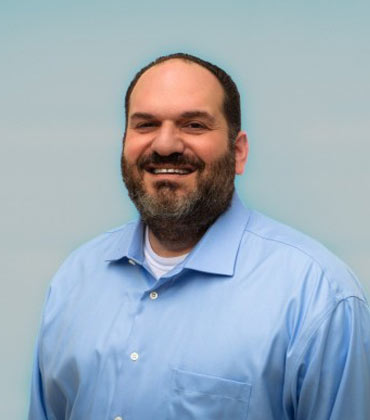
Todd Gers
Todd Gers is a financial services leader experienced in mortgage insurance claims, legal oversight and receivership operations. At the Office of the Special Deputy Receiver, he oversees claims for an insolvent insurer in runoff, ensuring fair, consistent outcomes under courtapproved regulatory requirements.
In an interview with Financial Services Review, he shared insights into managing claims in runoff, navigating regulatory complexity, and ensuring fair, consistent outcomes.
Discipline and Fairness in a Runoff Environment
I have been overseeing a mortgage insurer in runoff since the 2008 financial crisis. We manage the remaining active certificates for which customers are still paying premiums, and we pay claims according to a court-approved rehabilitation plan.
Our customers are not individual consumers, but lenders holding mortgage insurance policies for loans where borrowers did not put down 20 percent.
In my role, consistency and fairness are paramount. I ensure claims are handled impartially and transparently while protecting the interests of policyholders and creditors.
Managing Claims under Regulation
The biggest challenge in managing claims within a rehabilitation environment is operating under an added layer of regulatory oversight. While the claims team continues its work, my role is to oversee operations without a profit motive. I represent the receiver on-site, bringing structure and accountability to a complex, multistakeholder environment. Given the specialization of mortgage insurance, I rely on internal expertise while ensuring regulatory alignment and fair outcomes for creditors.
A key distinction is that claims are not paid at full value. Under the current rehabilitation plan, 75 percent of approved claims are paid in cash and 25 percent as a deferred payment obligation. If assets remain after all claims are processed, those deferred amounts may be paid out proportionately.
Transparency at the Core of Operations
Transparency is critical in a runoff environment. Mortgage insurance failures during the financial crisis created a specialized operating structure that makes it essential for regulators, policyholders, servicers and internal teams to understand how decisions are made, particularly around the master policy and claims handling processes.
I ensure consistent communication across all parties, especially key stakeholders, including Fannie Mae and Freddie Mac. It is equally important that employees understand how rehabilitation priorities differ from those of a growth-oriented insurer. This helps stakeholders align with the rehabilitation process and navigate the company’s operating model.
Legal Discipline in Claims Resolution
Legal strategy and compliance guide claims resolution and dispute prevention within a rehabilitation process. Unlike traditional mortgage insurers, where negotiations allow greater flexibility, operations here follow a defined legal framework. If a claim does not align with the master policy, a formal notice of determination is issued outlining the position and objection timeframe, with unresolved matters proceeding to the Illinois Chancery Court.
All creditors are treated equally, and every decision must meet legal and regulatory standards. Regular court reporting maintains transparency while giving stakeholders the opportunity to respond.
Disputes are further minimized through proactive communication, with loss mitigation teams working closely with servicers and borrowers on claim reviews, property resolution and borrower support.
Risk Evaluation in Claims Operations
Strong claims operations begin with a clear risk tolerance and the discipline to stay within it. Failures often arise when companies move outside their risk model and underwrite without proper evaluation.
Data is critical, but its value depends on how effectively it is used to inform underwriting, claims decisions and risk visibility. AI can enhance this, but it must support, not replace, human judgment.
My role is unique as the only out-of-state representative for the Office of the Special Deputy Receiver. Backed by an experienced team and strong state alignment, we manage complex insurance rehabilitations efficiently without heavy reliance on outside firms. By keeping administrative costs low, we direct more estate assets toward claim payments, ensuring a fair, transparent process for policyholders and creditors.
The articles from these contributors are based on their personal expertise and viewpoints, and do not necessarily reflect the opinions of their employers or affiliated organizations.
